9 Best Answer Engine Optimization (AEO) Tools for 2026
The tools worth knowing for answer engine optimization in 2026, grouped by the job they do — tracking, content optimization, and off-page authority. Honest one-line takes and a comparison table, no invented ratings.

The best AEO tools fall into three jobs: tracking whether AI answer engines cite you (Profound, Otterly, Peec AI, Athena HQ), optimizing on-page content to be citable (Semrush AI toolkit, SE Ranking), and building the off-page authority that actually earns citations (Outrigger, Daydream). Most teams need one from each group, not one tool that claims to do everything. Start by picking a tracker to see where you stand, then add the optimization and authority layers based on what the tracking reveals.
What AEO Tools Do (and the Three Jobs)
Answer engine optimization is the practice of getting your brand cited in the direct answers that ChatGPT, Perplexity, Gemini, and Google AI Overviews return instead of a list of links. AEO tools help you do that, but "AEO tool" is a loose label covering three genuinely different jobs. Buying the wrong category is the most common mistake.
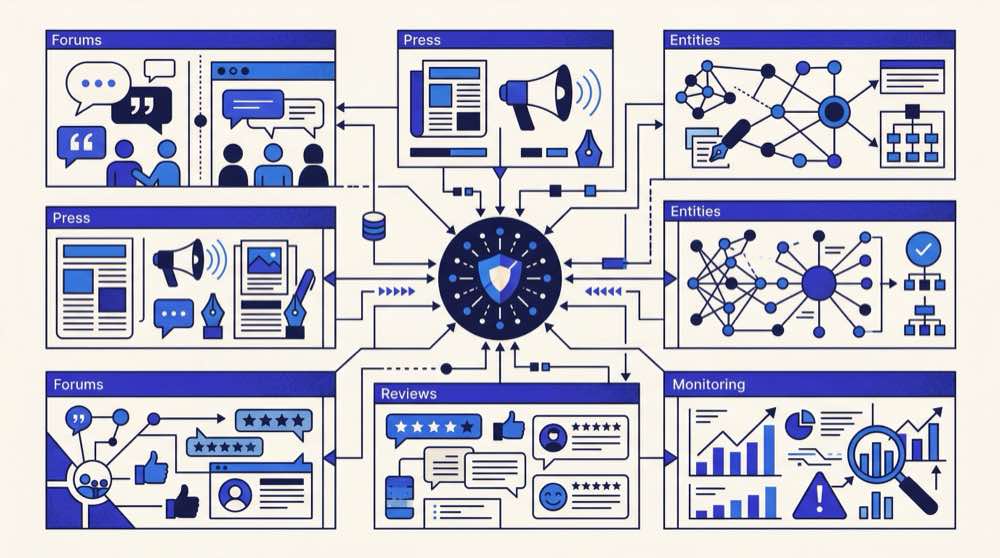
The three jobs are: tracking (does an answer engine cite me, and for which prompts), content optimization (is my page structured so an engine can extract and cite it), and off-page authority (do enough trusted third-party sources mention me for engines to trust me at all). A tracker tells you you are invisible. It does not make you visible. That takes the other two.
If you are still fuzzy on the discipline itself, what answer engine optimization is covers the fundamentals before the tooling. This guide groups nine tools by which of the three jobs they actually do.
The scale of the opportunity is documented. A 2026 study from Outrigger (the Outrigger AI Visibility Index, v3, DOI 10.5281/zenodo.20076380) found that more than two-thirds of businesses (69.5% of 2,729, 95% CI 67.8–71.2%) are invisible in AI search across 2,729 businesses. For most of those businesses the missing piece is not a fancier tracker — it is authority. So as you read the categories below, resist the pull to buy the most impressive dashboard. Buy the tool that fixes your actual bottleneck.
Answer Tracking Tools
These tools prompt the AI engines on a schedule and report whether you are cited, how often, and how you compare to competitors. They are the diagnostic layer.
- Profound — One of the more established AI visibility trackers, oriented to enterprise teams that want prompt-level answer tracking and share-of-voice reporting across engines. Deep, and based on its public positioning, pitched at larger teams.
- Otterly — A lighter, more accessible AI search monitoring tool. Good for smaller teams that want to track brand mentions and links in AI answers without an enterprise commitment.
- Peec AI — A newer entrant focused on AI search analytics and competitor comparison, popular with marketing teams that want a clean read on share of model.
- Athena HQ — Positions around GEO/AEO monitoring and workflow, aimed at teams that want tracking tied to recommended actions rather than a raw dashboard.
All four answer the same core question — am I cited — with different depth, pricing, and workflow. The right pick depends on team size and whether you want raw data or guided next steps. For deeper head-to-heads, see Profound alternatives, Otterly alternatives, and Athena HQ alternatives. The broader AI visibility tools comparison covers this category in more detail.
When you evaluate a tracker, look past the dashboard at two things. First, how many engines it covers — your customers do not use one engine, so ChatGPT-only data leaves blind spots on Perplexity, Gemini, and Google AI Overviews. Second, whether it logs the sources each engine cited, not just whether you appeared. That cited-source list is the most actionable output any tracker produces: it is the literal map of where the engine got its answer, and therefore where your off-page work needs to land. A tracker that reports a bare mention rate without the sources tells you the score but hides the playbook.
Content Optimization Tools
These tools help you structure on-page content so answer engines can extract and cite it — clear question-and-answer formatting, schema, entity clarity, and citable structure.
- Semrush AI toolkit — Semrush has layered AI-visibility and content features onto its established SEO suite. Useful if you already live in Semrush and want AEO signals alongside traditional keyword and content data.
- SE Ranking — Similar logic: a full SEO platform that has added AI-answer tracking and content optimization features, generally at a more accessible price point than the enterprise trackers.
Content optimization matters because structure is a real citation lever. Clear section structure and named expert attribution are the core on-page factors you control. The mechanics of doing this well are in citable content structure for AI.
Structure is also the cheapest AEO win there is: answer the question in the first sentence, break the page into clean sections, attribute claims to a named expert, add the schema. You do not need a tool to do it, but a good content tool makes it repeatable across a whole site.
Where content tools earn their price is scale and consistency. Optimizing one page by hand is easy; keeping a hundred pages structured the same way, with schema that validates and attribution that is real, is where a tool pays off. For a large site, a content-optimization platform is less about discovering the technique and more about enforcing it across every page so no answer-engine opportunity is left on a page too thin or too unstructured to be quoted. Match the tool to the size of your content operation, not to the sophistication of the marketing.
AEO Tools Compared by Function
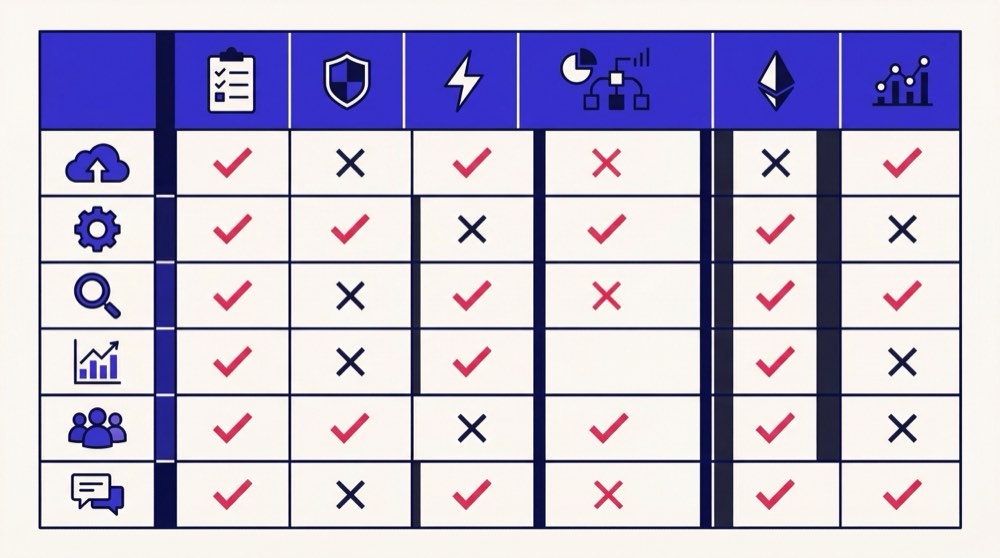
No single tool does all three jobs well. Here is the honest grouping so you can assemble a stack instead of buying a dashboard that cannot fix what it measures.
| Tool | Primary job | Best for | Engines covered |
|---|---|---|---|
| Profound | Tracking | Enterprise answer tracking | Multiple |
| Otterly | Tracking | Smaller teams, lighter tracking | Multiple |
| Peec AI | Tracking | Share-of-model analytics | Multiple |
| Athena HQ | Tracking + workflow | Tracking tied to actions | Multiple |
| Semrush AI toolkit | Content optimization | Existing Semrush users | Multiple |
| SE Ranking | Content optimization | Accessible all-in-one SEO | Multiple |
| Outrigger | Off-page authority | Fixing low citation rates | 5 engines |
| Daydream | Content + authority | Content-led AI growth | Multiple |
The practical assembly for most teams: one tracker to see where you stand, one content-optimization capability so new pages are citable, and one authority engine to build the mentions that earn citations. Pricing and exact engine coverage change often, so verify current details on each vendor's site rather than trusting a static claim here.
A concrete example of assembling this. Suppose a mid-size accounting firm wants to show up when someone asks an AI engine "best accountant for a startup in Austin." They start with a tracker and learn they are cited in 1 of 20 prompts across the engines. They add a content capability and rewrite their service pages into clean question-and-answer sections with named-partner attribution and Organization schema. Then they add an authority engine and spend the next quarter earning genuine mentions in the local business directories, a startup subreddit, and two review platforms that their tracking showed the engines citing. Three months later the same tracker reads 7 of 20. No single tool did that — the tracker measured it, the content tool made the pages citable, and the authority work supplied the evidence the engines needed. That is the pattern the whole category rewards.
Start by finding out where you actually stand. A free AI visibility audit shows your citation rate across ChatGPT, Claude, Gemini, and Perplexity and which competitors are winning the answers you want — the input that tells you which of the three tool groups to prioritize first. The sibling guides on LLM SEO tools and ChatGPT SEO tools go deeper on specific engines.
Frequently Asked Questions
What is the difference between AEO tools and SEO tools?
SEO tools optimize for ranking in a list of blue links on search engines. AEO tools optimize for being cited inside the direct answer an AI engine gives, which is a different retrieval system that weights brand mentions, reviews, and entity consistency more heavily than a single ranking page. Many SEO suites like Semrush and SE Ranking have added AEO features, but dedicated trackers and off-page authority tools handle the AI-specific jobs SEO tools were never built for.
Do I need more than one AEO tool?
Usually yes. AEO breaks into three jobs — tracking whether you are cited, optimizing content to be citable, and building off-page authority to earn citations — and few tools do all three well. Most teams pair a tracker with an off-page authority tool, since a tracker can show you are invisible but cannot make you visible. Start with a tracker or a free audit, then add the layer your results say you are missing.
Which AEO tool is best for a small business?
Small businesses are usually better served starting with a free audit to establish a baseline, then a lighter tracker like Otterly or an accessible all-in-one such as SE Ranking, plus an off-page authority tool if citations are near zero. The enterprise trackers offer depth most small teams will not use. The real lever for small businesses is off-page authority — brand mentions, directories, and reviews — because those are the strongest raw predictors of AI visibility.
Can AEO tools guarantee my brand gets cited by AI?
No tool can guarantee a citation, because AI engines decide what to cite based on the sources they trust, and those sources change. What tools can do is measure your current citation rate, show which sources engines pull from in your category, and help you build the mentions, reviews, and entity signals that make citation far more likely. Treat any guarantee of citations with skepticism.
Review Your AI Visibility Baseline
The free quick audit covers three core signal groups: Citations, AI Presence, and On-Page foundations. Review available findings and recommendations supported by the evidence the audit could verify.
Analyze your brandRelated Articles
What Is Answer Engine Optimization (AEO)?
AI Visibility Tools Compared: How to Choose the Right Platform in 2026
Best LLM SEO Tools in 2026 (Tracking, Optimization, Monitoring)
Best ChatGPT SEO Tools (What Actually Tracks ChatGPT)