Ideas for the answer-engine era
The Outrigger blog
The playbook for getting your brand recommended by AI.
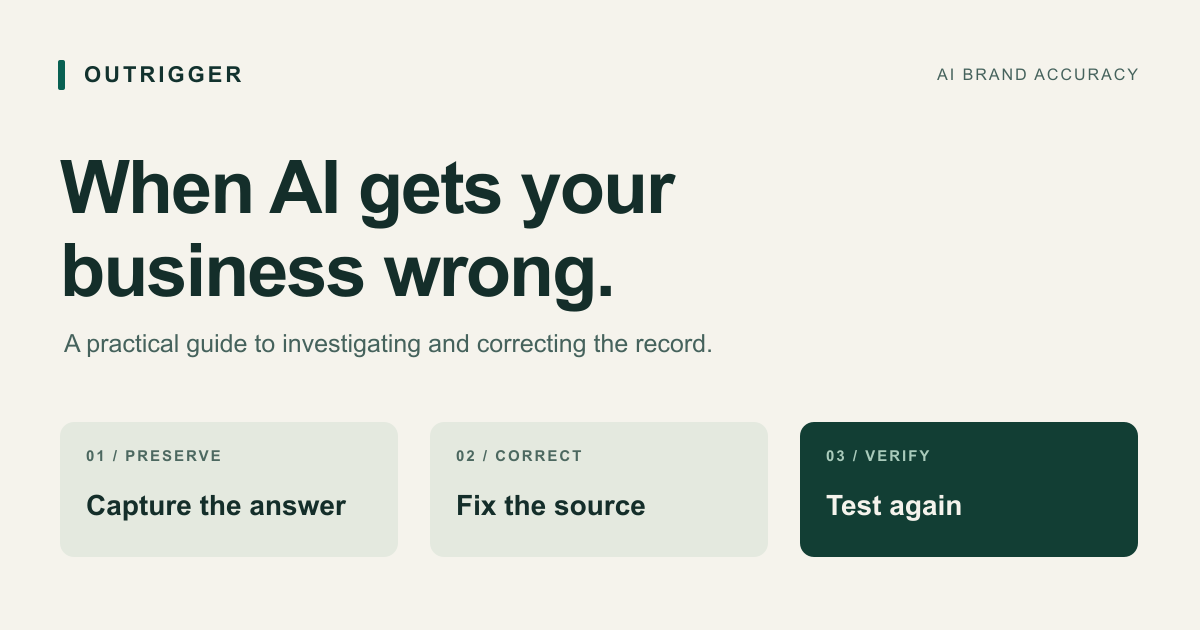
How to Fix Wrong AI Answers About Your Business
Investigate wrong AI answers, correct sources and test for recurrence with a free fillable PDF checklist, editable trackers and official reporting resources.
Read article →
Best GEO Tools for Agencies (White-Label Compared)
Agencies need different things from a GEO tool than in-house teams do: multi-client management, white-label reports, and client portals. Here is what actually matters when choosing an agency GEO platform, and an honest look at how Outrigger fits.

AI Visibility Tool Pricing: What the Platforms Actually Cost
AI visibility tools price on prompts, engines, and seats in ways that make sticker comparison misleading. Here is how the pricing models actually work, what drives cost, and how to evaluate value rather than headline numbers.

AI Visibility for Franchises (Multi-Location Playbook)
Franchises face a unique AI visibility problem: one brand, many locations, and a real risk of locations competing against each other in AI answers. Here is the multi-location playbook for brand-and-location entity structure, consistency at scale, and reviews across every unit.

AI Visibility for Veterinarians & Vet Clinics
Worried pet owners now ask AI which vet to call, including at 2am in an emergency. Here is the GEO playbook for getting your clinic named in local, emergency, and condition-specific AI answers.

AI Visibility for Car Dealerships
Car buyers now ask ChatGPT, Perplexity, and Google AI Overviews which dealership to trust before they ever visit a lot. Here is the GEO playbook for getting your dealership named in those local, model, and inventory answers.

AI Visibility for Gyms & Fitness Studios
People choosing where to work out now ask ChatGPT and Perplexity for the best gym or studio near them before they ever walk in for a tour. This is the AI visibility playbook for gyms and fitness studios in a local, review-driven, programming-specific category.

AI Visibility for Accountants & CPA Firms
Business owners now ask ChatGPT and Perplexity to recommend an accountant and explain who to trust with their finances before they ever request a consultation. This is the AI visibility playbook for CPA firms in an expertise-driven, local-plus-niche category.

AI Visibility for Hotels & Vacation Rentals
Travelers now plan trips by asking ChatGPT and Perplexity where to stay before they ever open Booking.com. This is the AI visibility playbook for hotels and vacation rentals that want to be the property the AI recommends in travel-discovery queries.

AI Visibility for Insurance Brokers
Buyers now ask ChatGPT and Perplexity to compare insurance brokers and explain who to trust before they ever fill out a quote form. This is the AI visibility playbook for brokers who want to be the name the model recommends in a trust-heavy, comparison-driven category.

AI Visibility for Home Services (Plumbers, HVAC & Roofers)
Homeowners now ask ChatGPT and Perplexity to name a plumber, HVAC company, or roofer before they ever open Google Maps. This is the AI SEO playbook for home-services businesses that want to be the name the AI recommends.

AI Visibility for Dentists: How to Get Recommended by AI
The GEO playbook for dental practices — building a consistent local entity, a review engine, structured service pages, and the Google Business and AI Overviews signals that make AI name your practice to nearby patients.

AI Visibility for Med Spas: The 2026 Playbook
How med spas get recommended by ChatGPT, Perplexity, and Google AI Overviews — the local entity work, review engine, and treatment content that make AI name your practice when nearby buyers ask for options.

How to Hire a GEO Consultant (Questions + Red Flags)
What a GEO consultant or agency should actually do for you, the questions to ask before you sign, and the red flags — guaranteed #1 in ChatGPT, fabricated metrics — that signal you're about to waste money.

Best GEO Courses & Certifications in 2026
How to actually learn Generative Engine Optimization in 2026 — what a strong curriculum covers, how to evaluate a certification, and where the honest free resources are versus what's worth paying for.

How to Run a GEO Audit (Step-by-Step Process)
A DIY, step-by-step process for auditing your brand's AI visibility across five pillars — AI presence, entities, citations, reviews, and on-page structure. Includes the exact prompts and checks to run.
GPTBot Explained: What It Is and Whether to Allow It
What GPTBot is, how it differs from the crawler that fetches live ChatGPT answers, the exact robots.txt directives to allow or block it, and the real tradeoff of blocking AI crawlers — plus a reference table of the major AI user-agents.

Does AI-Generated Content Rank in Google? (2026 Answer)
Google's actual position on AI content, explained without the myths: it rewards helpful content regardless of how it was produced, and penalizes low-value content at scale regardless of who wrote it. When AI content ranks, when it gets buried, and the E-E-A-T bar it has to clear.

How to Track AI Traffic in GA4 (Step-by-Step)
A concrete GA4 setup to isolate referral visits from ChatGPT, Perplexity, Gemini, and Copilot — including a regex referral segment, the exact exploration report to build, and a reference table of AI referral hostnames.

AI SEO Agents Explained: What They Do (and Don't)
A clear-eyed look at AI SEO agents — the difference between assisted and autonomous, the tasks they genuinely handle, and the places where a human is still non-negotiable. Includes how Outrigger uses an operator-agent model for GEO tactics.
50 ChatGPT Prompts for SEO That Actually Work
Fifty field-tested ChatGPT prompts organized by the job they do — keyword clustering, content briefs, schema, internal linking, and GEO. Copy them, adapt the brackets, and skip the generic output most prompts produce.
How to Use ChatGPT for SEO (Without Wrecking Your Site)
The legitimate ways to use ChatGPT for SEO - research, briefs, clustering, analysis - the pitfalls that tank sites, and why using ChatGPT to do SEO is not the same as getting cited by ChatGPT.
How ChatGPT Product Recommendations Work (Ecommerce Guide)
How ChatGPT decides which products to recommend, which signals matter most - reviews, structured data, third-party mentions - and the concrete steps ecommerce brands take to get included.

Are AI Overviews Accurate? What We Found
AI Overviews are often right and sometimes confidently wrong. Here is why accuracy varies, what drives the errors, and how the sources AI pulls from determine what it says about your brand.

Can You Advertise on Perplexity or ChatGPT? (2026 Reality)
The straight answer on paid ads inside Perplexity and ChatGPT in 2026 - what exists, what does not, and why earned citations are the durable way to get your brand into AI answers.

Ads in AI Overviews: What Marketers Need to Know
Google is placing ads inside AI Overviews. Here is how they appear, what changes for marketers, and why earned citations still drive more durable AI visibility than paid placements.
What Is Structured Data? The AI Visibility Advantage Explained
Structured data is machine-readable code added to web pages that tells search engines and AI models exactly what your content is about. It provides the entity verification and content classification signals that AI models use to decide which sources to cite.
Perplexity Citations: How Perplexity Chooses Its Sources
Perplexity is built around citations, attaching numbered sources to nearly every sentence. This guide explains exactly how Perplexity selects and ranks those numbered sources, and the concrete steps to become one.
ChatGPT Citations: How They Work and How to Earn One
When ChatGPT search answers a question, it cites sources. This is the definitive guide to how ChatGPT surfaces and selects those citations, which draw on the Bing index and the live web, and exactly what earns your brand a citation.
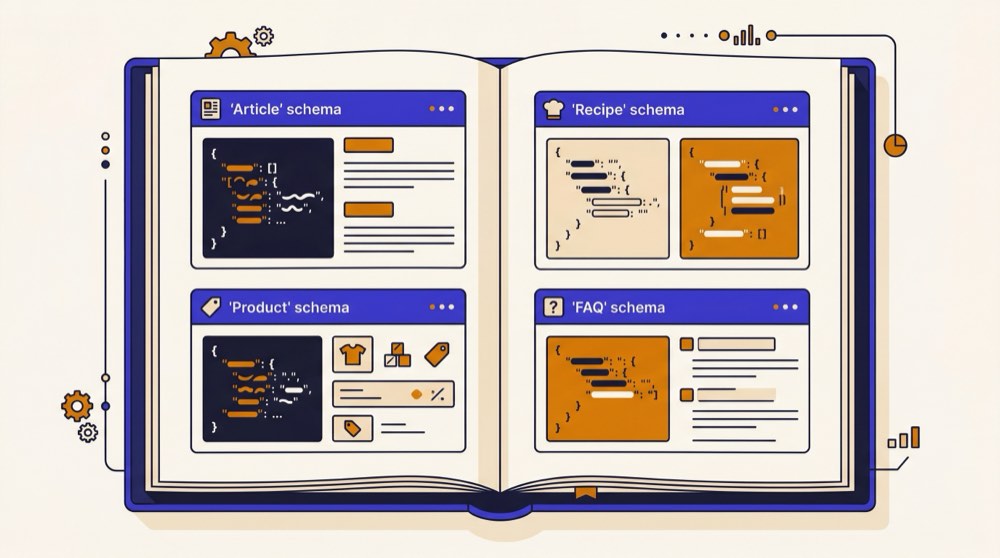
JSON-LD Schema Recipes for AI Search: Copy-Paste Templates for Every Page Type
Ready-to-use JSON-LD schema templates for every page type that impacts AI visibility. Covers Organization, Person, Article, FAQPage, Product, Review, and BreadcrumbList schema with AI-specific optimizations explained.
Grok SEO: How to Optimize for X's AI Search
Grok, the AI model built into X, leans heavily on real-time posts from the platform to answer questions. This guide explains what that real-time bias means for brand presence and the concrete steps to show up in Grok's answers.

Gemini SEO: How to Get Your Brand Into Google Gemini
Gemini answers questions using the Google index and Google's entity graph. This guide explains how Gemini sources its answers and the concrete steps to improve your brand's presence inside Google's flagship AI model.

How to Optimize Your Google Knowledge Panel for AI Search
A Google Knowledge Panel signals that Google recognizes your brand as a verified entity — a trust signal AI models weight heavily. Learn how to trigger, claim, and optimize your Knowledge Panel for maximum AI citation impact.

How to Rank in Google AI Mode
Google AI Mode is a conversational, multi-step search experience that answers directly instead of returning ten blue links. This guide explains how AI Mode selects sources and the concrete steps to get your brand cited inside its answers.
Daydream AI SEO Review: What to Know Before You Buy
Daydream is an AI-driven content and SEO automation platform aimed at scaling output. This balanced review covers what it does well, the trade-offs of automation-heavy content, and where it fits versus a GEO execution platform.

Wikipedia and Wikidata Strategy for AI Visibility: The Entity Authority Playbook
Wikipedia accounts for 47.9% of ChatGPT\'s top-10 citations. This guide covers the ethical strategy for building Wikipedia and Wikidata presence — from establishing notability through earned media to creating Wikidata entries and navigating Wikipedia\'s editorial requirements.
Peec AI vs Otterly: Which AI Visibility Tool Wins?
Peec AI and Otterly are two of Europe's better-known AI visibility trackers. This head-to-head compares engine coverage, features, and ideal user — then covers where a GEO execution platform fits.
Profound Review 2026: Features, Fit, and Who It's For
Profound is one of the most capable enterprise answer-engine analytics platforms in the AEO space. This balanced review covers where its analytics depth shines, where price and complexity may not fit, and who should consider it.
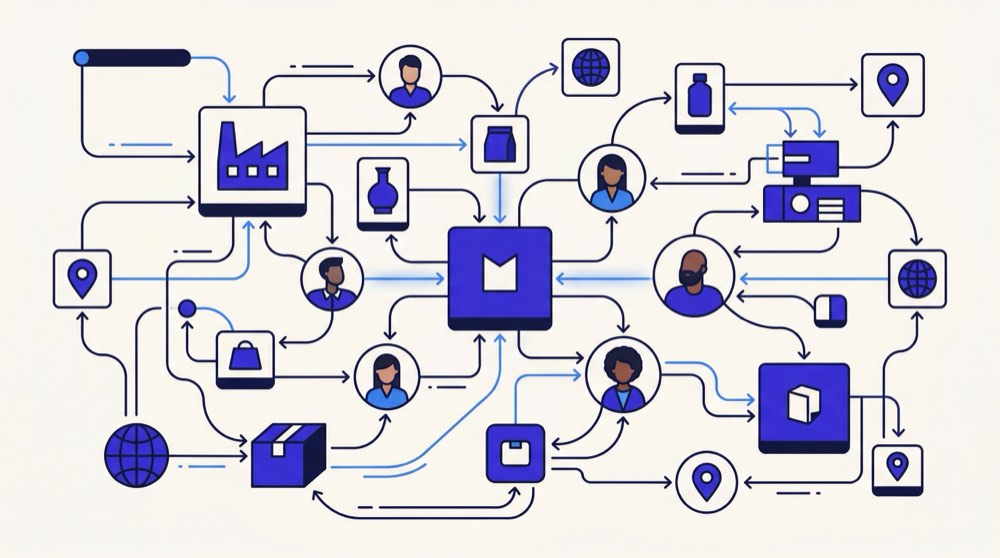
What Is a Knowledge Graph? Why It Powers AI Recommendations
A knowledge graph is a structured database of entities and relationships that search engines and AI models use to understand the world. Learn how knowledge graphs power AI recommendations and why your brand\'s presence in them matters.

Ahrefs Brand Radar & AI Citations Review (2026)
Ahrefs added Brand Radar and AI citation tracking to its backlink and keyword powerhouse. Here is an honest review of what those features do well, where the GEO gaps are, and who they fit.
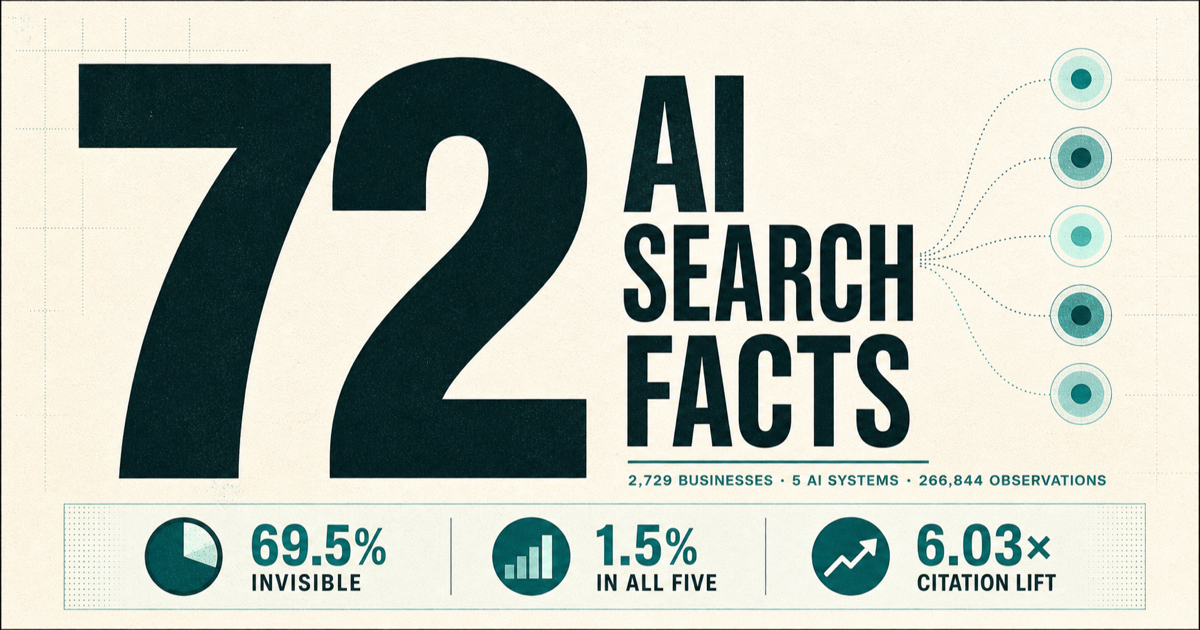
72 AI Search Facts Most Marketers Haven’t Seen Yet
We tested 2,729 businesses across ChatGPT, Claude, Perplexity, Gemini, and Google AI Overviews. These 72 findings challenge the most repeated assumptions about AI visibility—and every one is ready to share.
SE Ranking AI Visibility Tracker Review (2026)
A balanced look at SE Ranking's AI Visibility Tracker — what the add-on measures, where it shines for SEO teams, and the GEO gaps you should know about before you rely on it as your AI visibility tool.
Entity SEO: How to Make Google and AI Models Understand Your Brand
The definitive guide to entity SEO — the practice of building a clear, consistent, machine-readable identity for your brand across the web. Covers knowledge graph optimization, structured data implementation, cross-platform consistency, and the specific entity signals AI models use for citation decisions.
Semrush AI Visibility Toolkit Review: An Honest Take (2026)
Semrush added AI search visibility features to its SEO suite. This balanced review covers what the Semrush AI toolkit does well, where it falls short on GEO depth and off-page execution, and who should use it versus a specialist tool.

Best Free AI SEO Tools (12 That Cost Nothing)
You do not need a budget to start optimizing for AI search. This guide rounds up 12 genuinely free AI SEO tools and free tiers - from AI visibility audits and llms.txt generators to schema and structured-data helpers - and how to use each.

How to Write Statistics Pages That AI Models Cannot Ignore
Statistics and data compilation pages are among the most-cited content types by AI models. Learn how to create, structure, and maintain statistics pages that become go-to citation sources for AI responses in your industry.
Best Generative Engine Optimization (GEO) Tools for 2026
GEO is the discipline of getting cited by AI answer engines. This guide breaks down the full stack of generative engine optimization tools - audit, tracking, citation-building, and entity management - and how to assemble the right combination for your team.

Best LLM & AI Brand Monitoring Tools in 2026
AI models now describe your brand to buyers before your website ever loads. This guide covers the best LLM brand monitoring tools for tracking what ChatGPT, Perplexity, and Gemini say about you - mentions, sentiment, and competitor comparisons.
Case Study Pages That Get Cited: Structuring Proof for AI Consumption
Case studies provide the specific, results-driven evidence that AI models use to validate brand recommendations. Learn how to structure case study content for AI extraction — from headline format to results presentation to schema markup.
Best LLM Rank Trackers for ChatGPT, Perplexity & Gemini
A practical guide to LLM rank trackers - the tools that measure how often your brand appears in AI answers. Covers what "rank" actually means in an LLM, a comparison of the leading trackers, and how to choose one.
Best Google AI Overviews Trackers Compared
The tools worth using to track whether your brand appears and gets cited in Google AI Overviews, why tracking Overviews is uniquely hard, and how the trackers compare — with honest takes and no invented ratings.
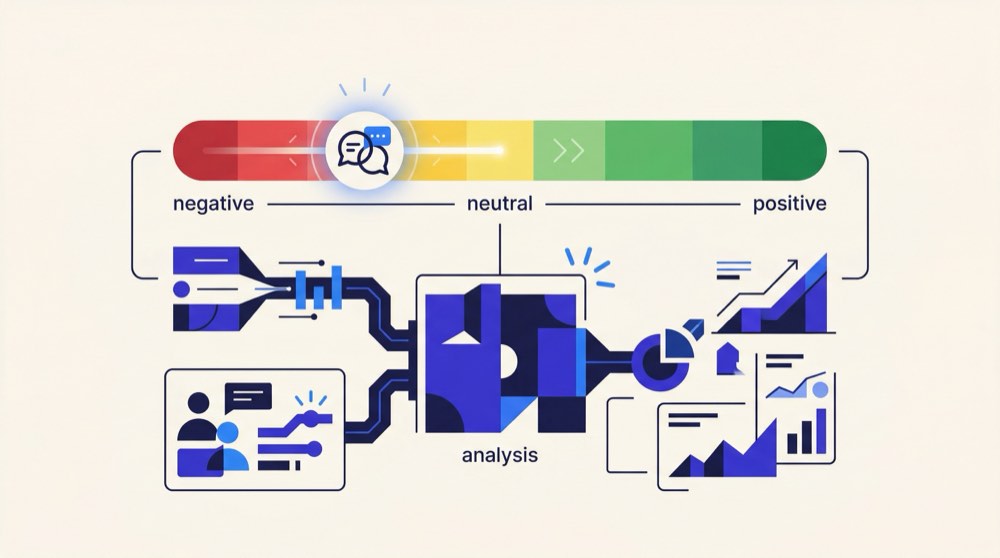
What Is Brand Sentiment in AI Responses? Positive vs Neutral vs Negative
AI brand sentiment is whether AI models describe your brand positively, neutrally, or negatively when mentioning it in responses. It determines whether a mention becomes a recommendation and directly impacts AI referral conversion rates.

Best ChatGPT SEO Tools (What Actually Tracks ChatGPT)
ChatGPT does not expose rankings, so no tool can give you a literal ChatGPT position. This guide covers what is technically possible, which tools approximate ChatGPT visibility honestly, and how to actually influence what ChatGPT says.

Best LLM SEO Tools in 2026 (Tracking, Optimization, Monitoring)
The LLM SEO tools worth using in 2026, categorized by the job they do — tracking your presence in LLMs, optimizing content for retrieval, and building the entity and off-page signals models trust.
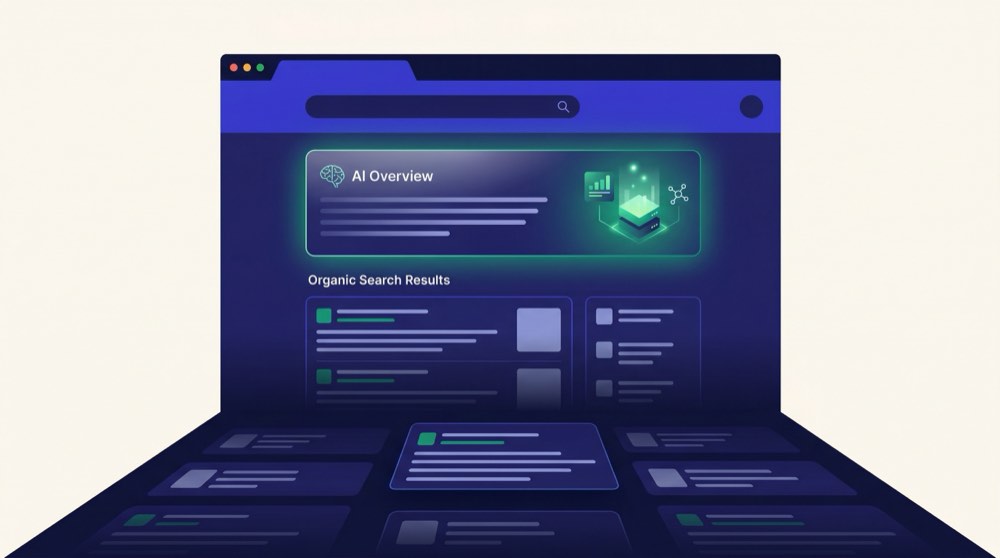
How AI Overviews Killed CTR by 61% (and What to Do About It)
Google AI Overviews have slashed organic click-through rates by 61% for queries where they appear. This data analysis covers the scale of the impact, which industries are hit hardest, and the strategic pivot brands must make to maintain search-driven revenue.
9 Best Answer Engine Optimization (AEO) Tools for 2026
The tools worth knowing for answer engine optimization in 2026, grouped by the job they do — tracking, content optimization, and off-page authority. Honest one-line takes and a comparison table, no invented ratings.
AI Visibility Checker: How to Check Your Brand Free
A practical guide to checking whether your brand shows up in ChatGPT, Perplexity, and Gemini answers. Covers the free manual method, what the paid tools add, and how to read the results.
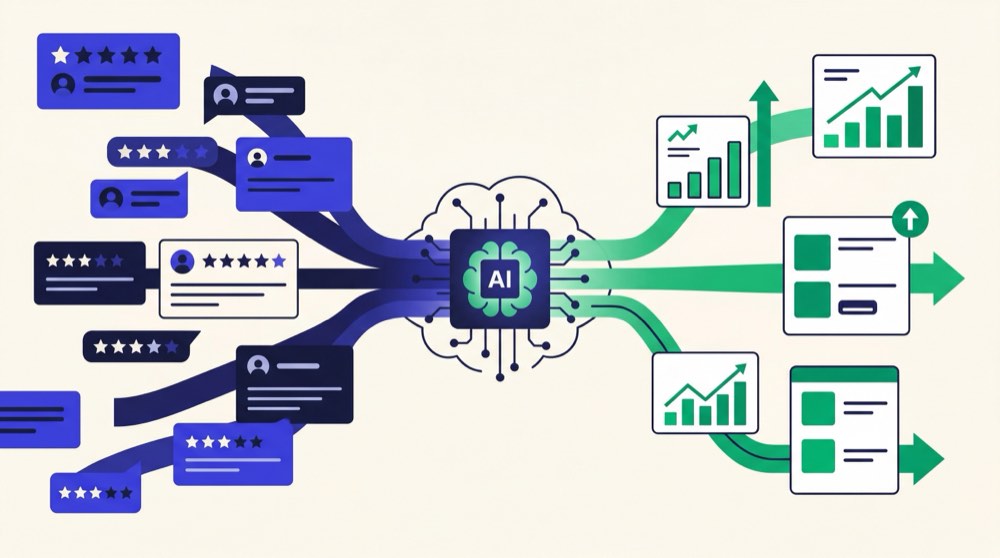
Online Reviews Strategy for AI: Which Platforms AI Models Trust Most
AI models cross-reference review platforms when deciding whether to recommend a brand. Learn which review platforms carry the most weight, how review volume and recency affect AI citations, and the review collection strategy that maximizes AI recommendation rates.

10 Best AI Visibility Trackers (2026 Guide)
A candid roundup of the best AI visibility and share-of-model tracking tools for 2026 - what each does well, who it fits, and how to choose. Includes a comparison table across engines covered and best use case.

How to Rank in AI Search Results: What Actually Moves the Needle
Ranking in AI search results is less about backlinks and keywords and more about entity clarity, third-party mentions, reviews, and structured content. Here are the real factors and a numbered action plan.
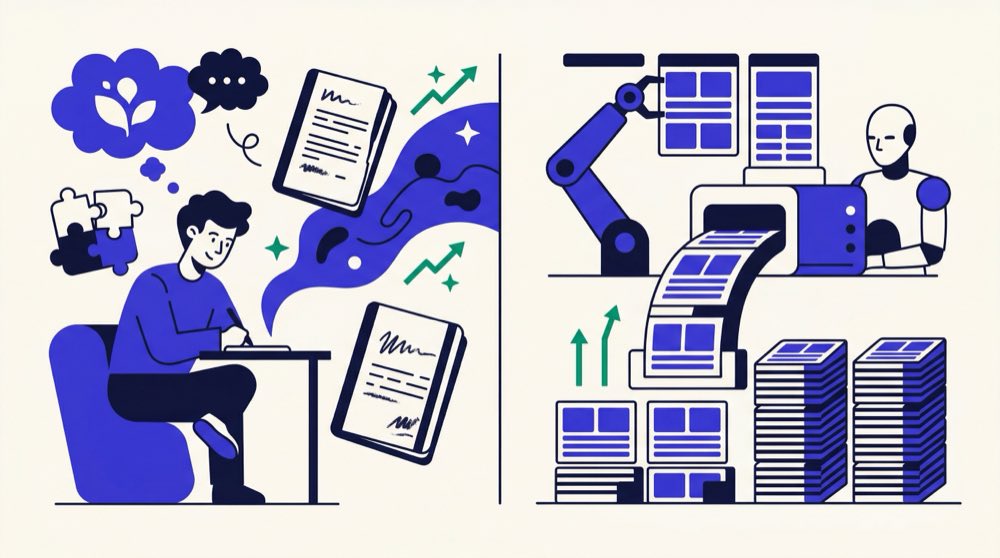
Human-Written vs AI-Generated Content: What Ranks Better in AI Search?
A data-driven comparison of human-written and AI-generated content performance in AI search citations. Covers what AI models actually prefer, how detection works, and the optimal content creation approach for maximum AI visibility.

What Is AI Visibility? The Complete 2026 Primer
AI visibility is how often and how prominently AI engines mention and recommend your brand in their answers. This primer defines it, explains why it matters now, and shows how it is measured and improved.

What Is AI SEO Called? GEO, AEO, LLMO and Every Other Name
SEO for AI goes by several names - GEO, AEO, LLMO, AI SEO, and generative search optimization. They mostly describe the same discipline. Here is what each term means and which one to use.
The Brand Consensus Effect: How Consistent Messaging Gets You Recommended
When your brand communicates the same core message across every platform — website, forums, reviews, press — AI models detect this consistency and elevate you from mention to recommendation. Learn how to engineer brand consensus for AI visibility.

What Does GEO Stand For in Marketing? (And What It Doesn't)
In marketing, GEO stands for Generative Engine Optimization — the practice of getting your brand cited by AI answer engines. It is not geo-marketing, geo-fencing, or geo-targeting, and the confusion costs businesses real visibility.

CEO Branding in the AI Era: Why Executive Visibility Equals Company Visibility
In AI search, executive visibility directly drives company citations. AI models associate named experts with their organizations, transferring personal authority to brand authority. Learn the specific CEO branding strategy that accelerates AI visibility.

What Is Entity Authority? Why AI Models Trust Some Brands More
Entity authority is the measurable trust and recognition that a brand, person, or organization has in search engines\' and AI models\' knowledge systems. It is built through consistent identity signals, knowledge graph presence, and multi-source validation.
Thought Leadership for AI Search: How Personal Brands Drive Company Citations
Personal brand authority directly drives company AI citations. When executives publish thought leadership content with strong E-E-A-T signals, their company gets cited more by AI models. Learn the specific mechanism and implementation strategy.

How to Build E-E-A-T Signals That AI Models Actually Use
A tactical guide to building the specific E-E-A-T signals that AI models evaluate when deciding which sources to cite. Covers author entity building, content credibility markers, structured data implementation, and external validation strategies.
What Is the E-E-A-T Framework and How AI Models Use It
E-E-A-T stands for Experience, Expertise, Authoritativeness, and Trustworthiness — Google\'s framework for evaluating content quality. AI models apply the same principles to decide which sources to cite and recommend.

E-E-A-T and AI: How Experience, Expertise, Authority, and Trust Drive Citations
The definitive guide to how Google\'s E-E-A-T framework applies to AI search. Covers how AI models evaluate experience, expertise, authoritativeness, and trustworthiness when deciding which sources to cite, and the specific signals you can build to earn AI recommendations.
Comparison Pages and Versus Content: The Format AI Models Recommend Most
Comparison and versus content is the most frequently cited format when AI models make purchase recommendations. Learn why comparison pages outperform other formats for AI citations and how to structure them for maximum extraction.
AI Search Traffic Converts 4.4x Better: Here\'s the Data
AI referral traffic converts at 4.4x the rate of traditional organic search traffic, and B2B AI traffic converts 5-9x higher. Analyze the data behind this conversion advantage, why it exists, and how to capitalize on it.
Listicle Optimization for AI: Why List Content Gets Cited Far More
List-format content gets cited by AI models significantly more than narrative content covering the same topics. Learn the specific optimization strategies for ranked listicles, comparison lists, and resource compilations that maximize AI extraction and citation.
How to Create an AI-Optimized FAQ Page That Gets Cited
FAQ pages are 3.2x more likely to appear in AI Overviews than pages without FAQ schema. Learn how to structure, write, and optimize FAQ content that AI models extract and cite — from answer length to schema implementation to strategic question selection.
Does Reddit Activity Actually Help AI Recommend Your Brand?
Examining the direct connection between Reddit brand mentions and AI model recommendations. Data on how Reddit activity translates to AI citations, what types of Reddit content drive recommendations, and common misconceptions.
Best Content Formats for Getting Cited by AI Models
A ranked guide to the content formats that AI models cite most frequently — from comparison articles and FAQ pages to data compilations and expert roundups. Includes format-specific optimization tips and citation rate benchmarks.

Why We Built AI Visibility Software Inside a Marketing Agency
Outrigger didn't start as a product. It started as a problem we kept hitting while running client campaigns inside a marketing agency — and that origin shapes how the platform works today.

When Buyers Ask AI 'Who Can I Trust?' — The Citation Gap in Finance
High-trust finance and alternative-investment brands are increasingly absent from the AI answers their buyers rely on. Here's why the citation gap is widest exactly where trust matters most — and how to close it.
Brand Mentions vs Backlinks: Why Mentions Matter 3x More for AI
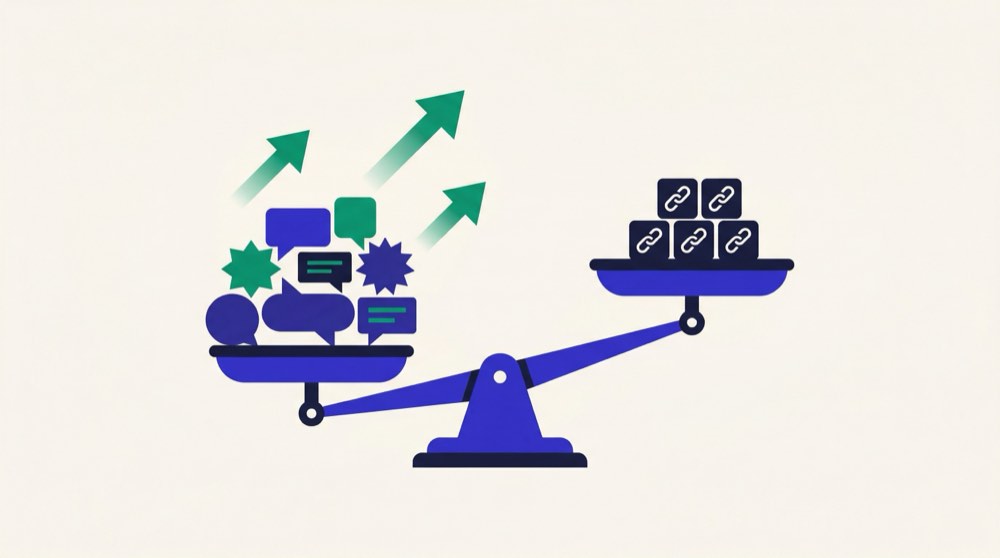
Data analysis showing that brand mentions correlate 3x more than backlinks with AI visibility. Explores why AI models weight unlinked mentions, how to build a mention-first strategy, and what this means for traditional SEO budgets.
Medium, Guest Posts, and Third-Party Publishing for AI Citations
Third-party publishing on platforms like Medium, industry blogs, and guest post sites creates the multi-source validation layer that AI models use to build recommendation confidence. Learn which platforms matter and how to optimize published content for AI citations.
How to Structure Content in Self-Contained Citable Units
AI models cite content at the section level, not the page level. Learn how to structure every piece of content — blog posts, landing pages, FAQ pages — into self-contained units that AI models can extract and cite independently.
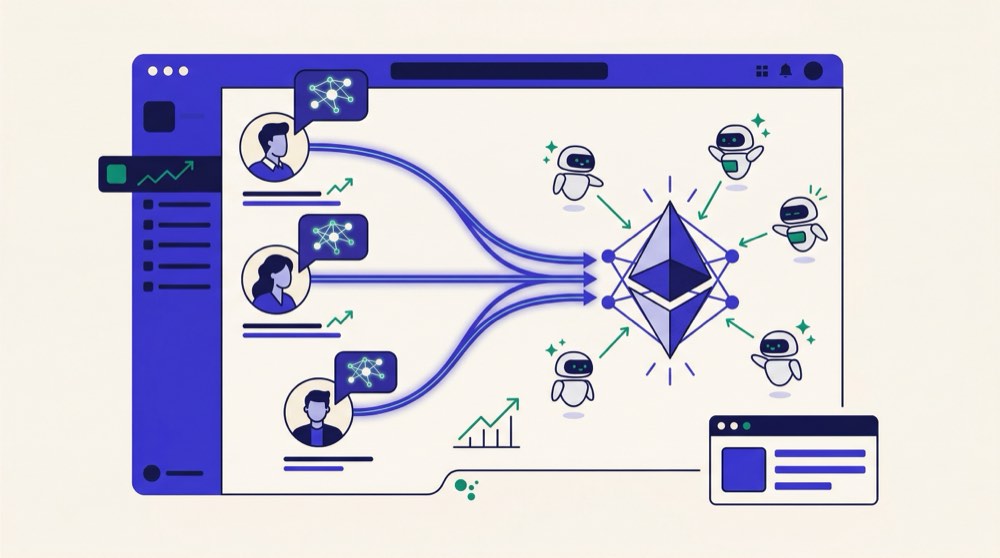
LinkedIn for AI Visibility: Leveraging the #2 Most-Cited Domain
LinkedIn is the second most-cited domain by AI models for B2B and professional queries. Learn how to optimize your LinkedIn presence — articles, posts, and profile — for AI model citations.
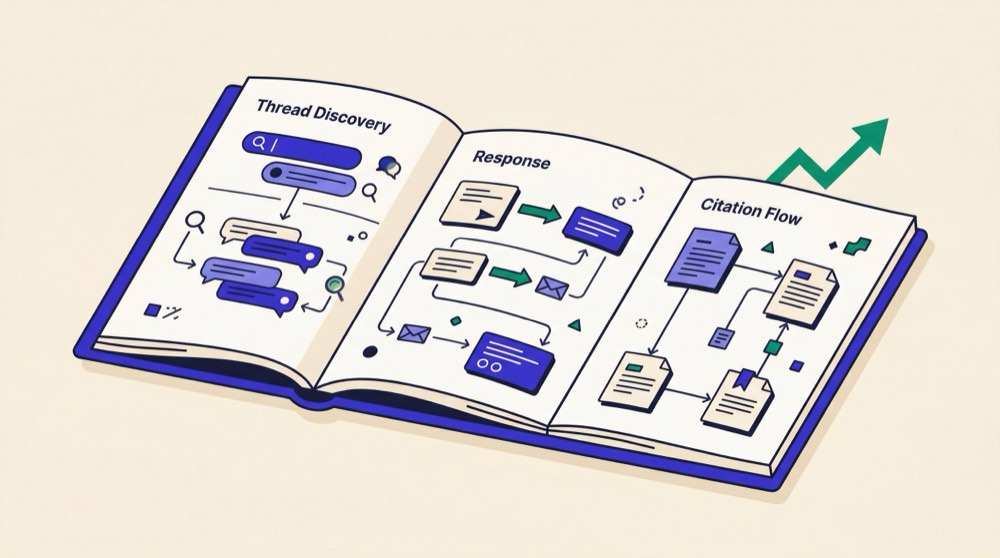
What Is Citation Velocity? Why AI Picks Up New Brands
Citation velocity is the rate at which new, credible references to your brand appear across the web. It is one of the clearest leading indicators of whether AI models are about to start recommending you.
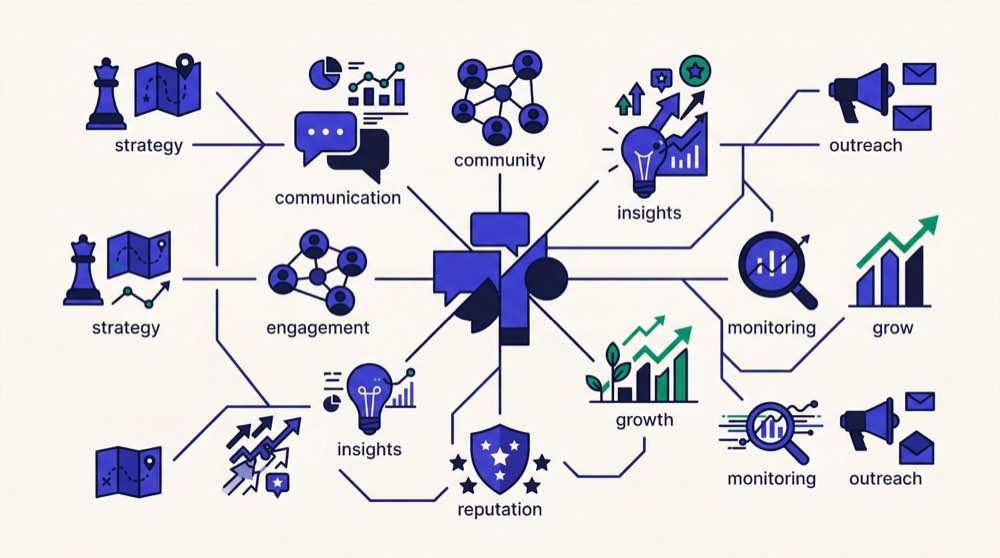
What Is RAG SEO? Optimizing for Retrieval-Augmented AI
RAG SEO is the practice of structuring content so retrieval-augmented AI systems retrieve it, trust it, and cite it. It is how you show up in tools like Perplexity and ChatGPT search that read the live web before answering.
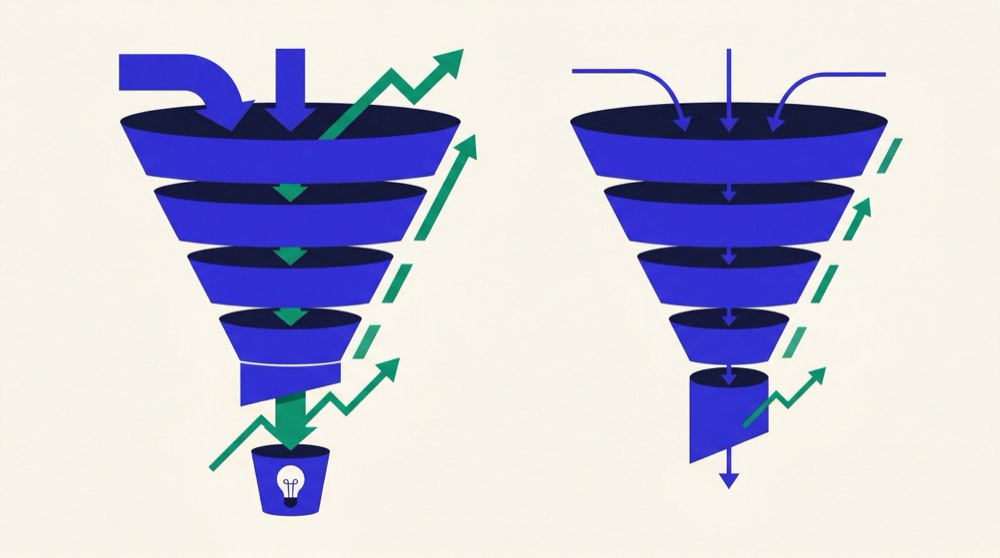
What Is AI Referral Traffic? Visits From ChatGPT & More
AI referral traffic is the visits that arrive on your site from AI assistants like ChatGPT, Perplexity, and Google AI Overviews. It is a small but fast-growing channel that tends to convert unusually well.
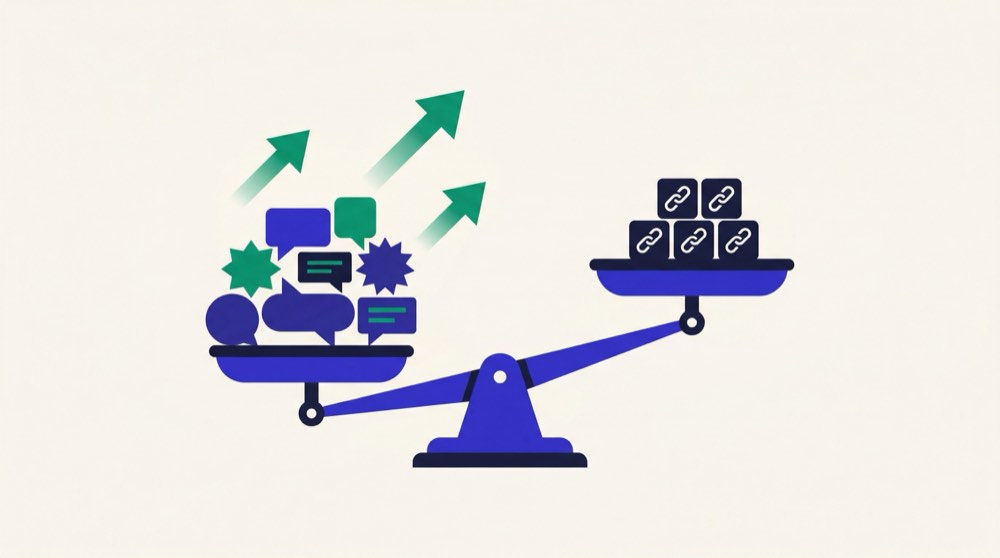
What Is an Unlinked Mention? Why It Still Builds Authority
An unlinked mention is when a website names your brand without linking to you. In the AI era these mentions carry real weight, because models read brand names and context, not just hyperlinks.
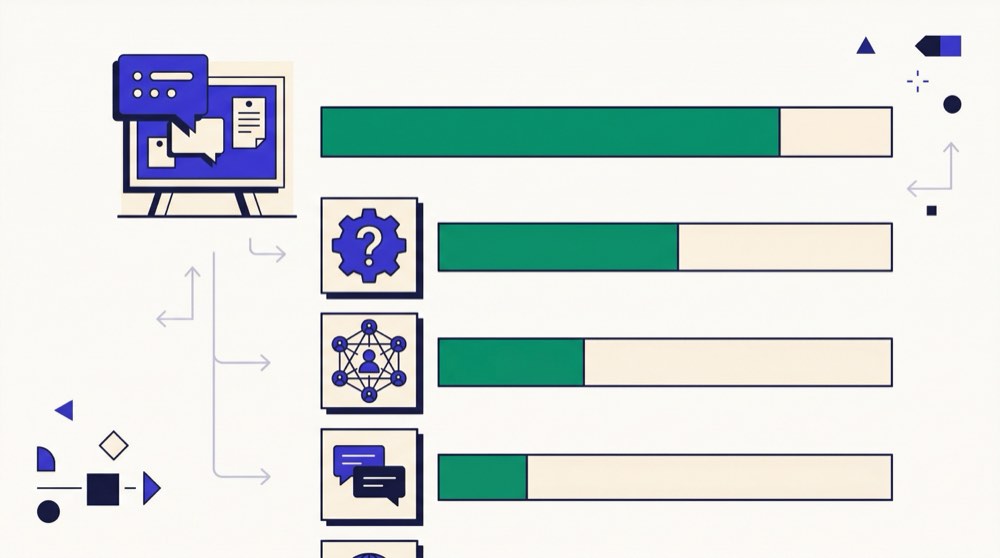
What Is LLM Seeding? Placing Brand Signals AI Will Read
LLM seeding is the practice of placing accurate, helpful references to your brand in the sources large language models read — so that when someone asks an AI for a recommendation, your brand is part of the answer.

What Is Prompt-Based Search? The Shift From Keywords
Prompt-based search is when people ask an AI assistant a full question in natural language instead of typing keywords into a search box. It changes what 'ranking' means and what it takes to get your brand recommended.
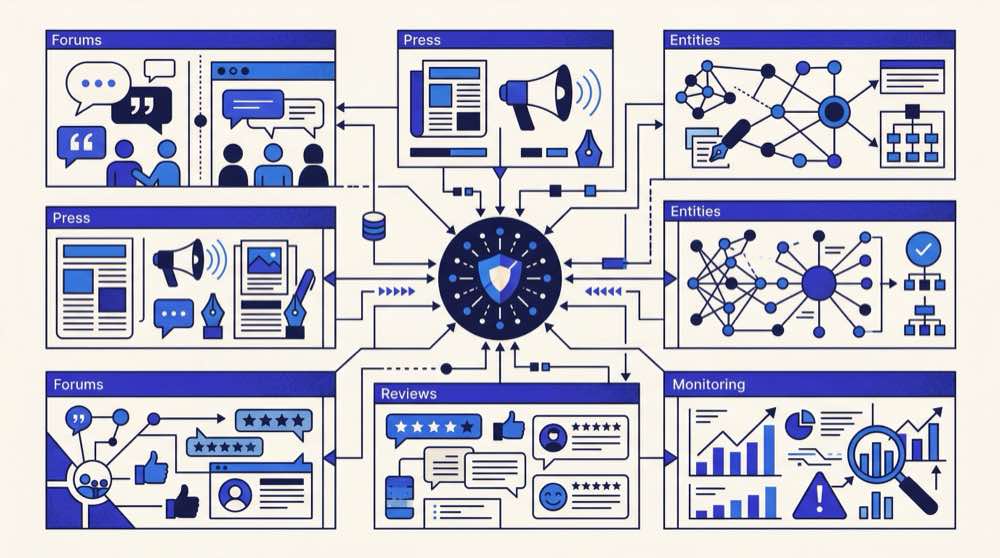
What Is Answer Engine Optimization (AEO)?
Answer engine optimization (AEO) is the practice of optimizing your content to be the answer that AI and answer engines return — not just a link in a list. It overlaps heavily with GEO and modern SEO.
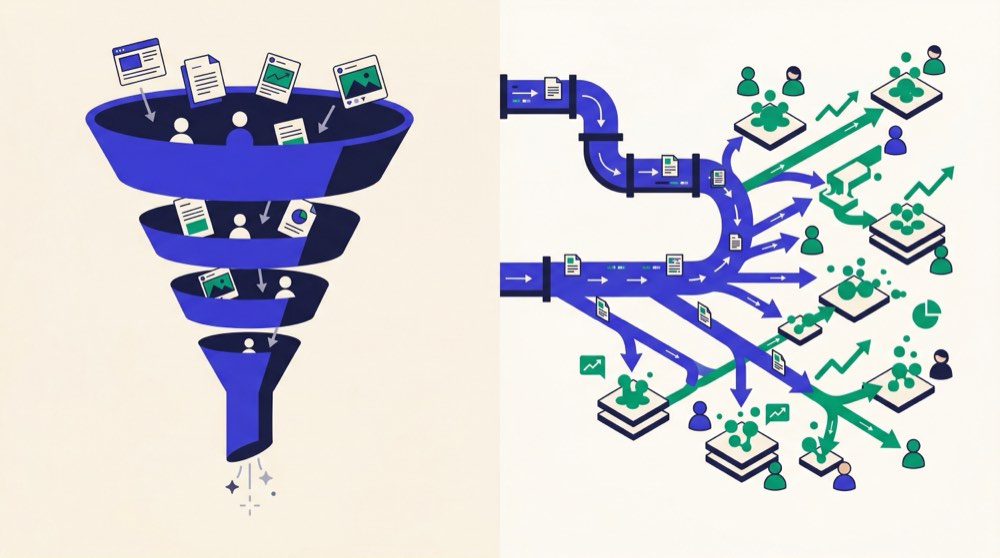
Citation Seeding vs Content Marketing: What Gets AI Results Faster?
A practical comparison of citation seeding (off-site brand placement) and content marketing (on-site authority building) for AI visibility. Covers speed to results, ROI, and when to prioritize each approach.

YouTube GEO: Why Video Is the Most-Cited Source in AI Search
YouTube has overtaken Reddit as the most-cited social platform in AI responses. Learn how to optimize video content for AI model citations, from transcript optimization to description strategy to thumbnail signals.
7 Best Platforms for LLM Seeding (Reddit, Quora, and Beyond)
A ranked guide to the 7 most effective platforms for LLM seeding — placing brand mentions where AI models retrieve and cite content. Covers Reddit, Quora, YouTube, LinkedIn, niche forums, review sites, and Medium with platform-specific strategies for each.
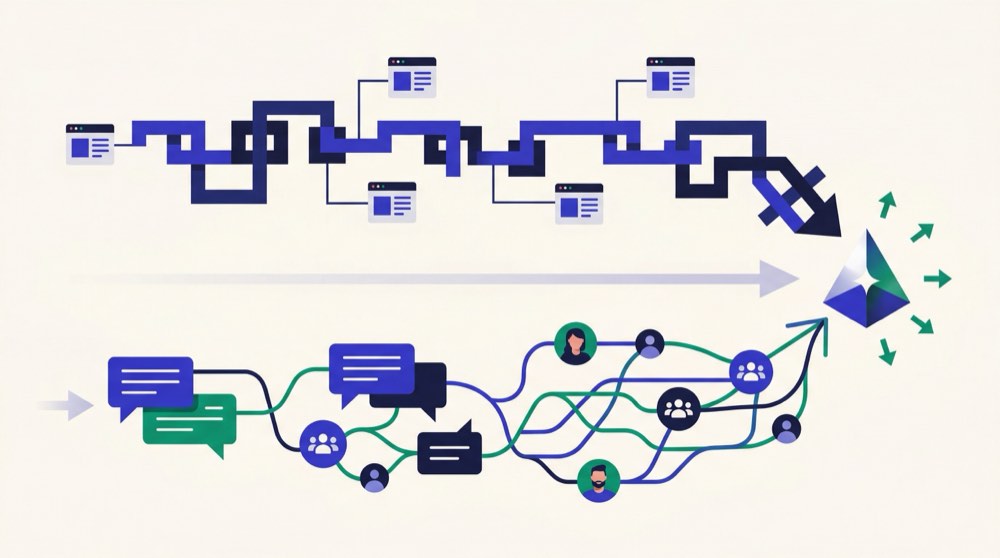
LLM Seeding vs Link Building: Which Matters More in 2026?
A data-driven comparison of LLM seeding (placing brand mentions in AI-cited sources) and traditional link building. Covers when each strategy is appropriate, ROI comparison, and how the two approaches work together in a modern search strategy.
The Reddit Posts That AI Cites Most (and What They Have in Common)
An analysis of the specific Reddit post characteristics that correlate with AI model citations. Covers post type, subreddit selection, engagement patterns, age, and structural elements that predict whether a Reddit thread will be cited by ChatGPT, Perplexity, or Gemini.
Quora Optimization for AI Citations: How to Get Your Answers Cited
Quora answers are a significant source for AI model citations, especially for expert-authority and how-to queries. Learn the specific optimization strategies that get Quora answers cited by ChatGPT, Perplexity, and Gemini.

What Is Content Seeding? The Foundation of AI Brand Mentions
Content seeding is the practice of placing authentic, helpful brand mentions in community discussions that AI models retrieve and cite. This glossary entry explains the concept, its role in AI visibility, and how it differs from traditional link building.

Content Seeding Strategy: How to Place Your Brand in AI-Cited Threads
The definitive guide to content seeding — the practice of placing authentic, value-adding brand mentions in forum threads, Q&A platforms, and community discussions that AI models already cite. Covers platform selection, thread identification, response writing, compliance, and measurement.
How to Build Multi-Source Consensus for AI Recommendations
AI models recommend brands that appear consistently across multiple independent sources. Learn the specific strategy for building multi-source consensus that triggers AI citations and recommendations.
Content Marketing Strategy for 2026: How AI Changed What Works
Content marketing in 2026 requires a fundamentally different strategy than what worked in 2024. AI models now mediate a fast-growing share of consumer searches, and the content formats, distribution channels, and measurement metrics that drive results have shifted dramatically.

What Is a Content Cluster? The Building Block of AI Authority
A content cluster is a group of interlinked pages — a pillar page plus supporting articles — that comprehensively covers a topic. AI models use cluster depth as a trust signal when deciding which sources to cite.
Semantic SEO for AI: How NLP and Entity Relationships Drive Citations
Semantic SEO is the practice of optimizing for meaning and entity relationships rather than keyword density. In the AI era, it determines whether AI models understand your content deeply enough to cite it accurately.

Topical Authority vs Domain Authority: Which Matters More for AI?
Domain authority measures backlink-driven ranking power. Topical authority measures content-driven expertise. For AI visibility, they serve different purposes — this comparison explains which to prioritize and when.

The Glossary Play: How Definition Pages Build Topical Authority for AI
Glossary and definition pages are the hidden authority builders of AI search. They answer "what is" queries directly, create natural internal linking targets, and signal comprehensive topic coverage to AI models.

The Content Refresh Playbook: How Updating Old Content Boosts AI Citations
76.4% of ChatGPT\'s cited pages were updated within 30 days. This playbook covers when to refresh, what to update, and a monthly cadence that keeps your best content earning AI citations indefinitely.

What Is Information Gain in AI Search? How Unique Content Wins
Information gain measures how much new, unique value a piece of content adds beyond what already exists on a topic. AI models prioritize sources with high information gain because they provide answers other sources cannot.
Internal Linking Strategy for AI: Helping Both Google and AI Models Understand Your Site
Internal linking is the connective tissue that transforms scattered content into recognized topical authority. This guide covers the 5-layer linking framework, anchor text strategy, orphan page detection, and the specific linking patterns that increase AI citation probability.
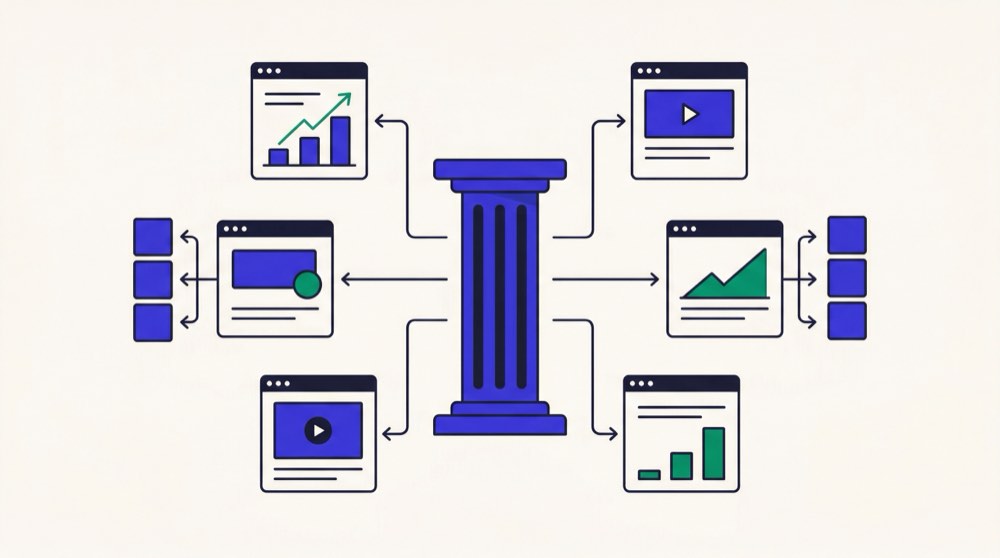
Pillar Pages and Topic Clusters: Building Authority That AI Recognizes
How to structure pillar pages and topic clusters so both Google and AI models recognize your expertise. Includes templates, linking patterns, and the specific formatting that maximizes AI citation probability.

How to Build Topical Authority That AI Models Trust
A step-by-step implementation guide for building the kind of topical authority that earns AI model citations. Covers cluster planning, content creation, linking, and the off-site signals that validate on-site expertise.
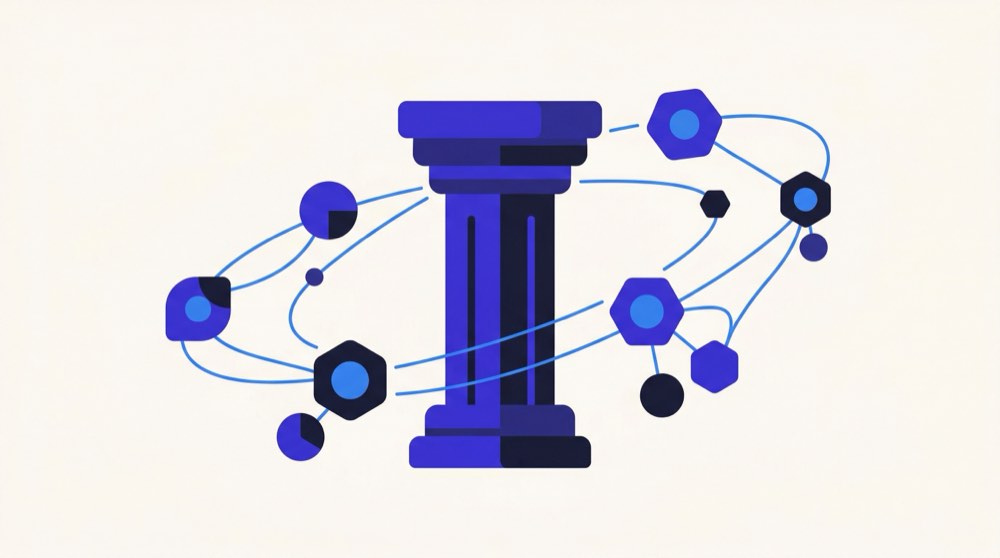
What Is Topical Authority and Why AI Models Care About It
Topical authority is the depth of expertise a website demonstrates on a specific subject. This glossary entry explains what it is, how AI models evaluate it, and why it determines whether your content gets cited.

Topical Authority: The Complete Guide to Dominating Your Niche in 2026
The definitive guide to building topical authority that both Google and AI models recognize. Covers content clusters, pillar pages, internal linking, information gain, semantic SEO, and the specific signals AI models use to determine niche expertise.
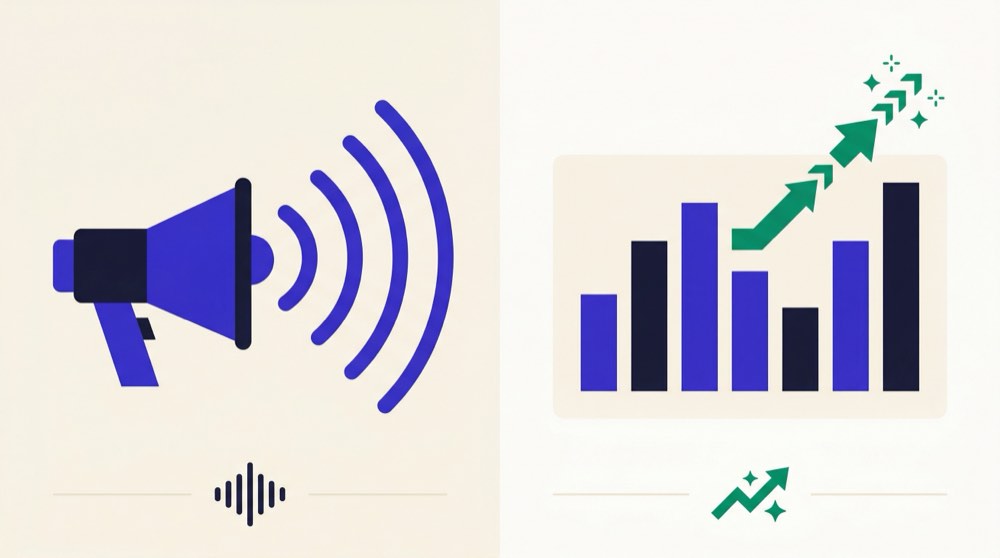
Share of Model vs Share of Voice: Measuring What Matters in 2026
Share of Model measures AI recommendation visibility. Share of Voice measures traditional media and search visibility. This comparison explains why you need both metrics, how they differ, and how to track each one effectively.
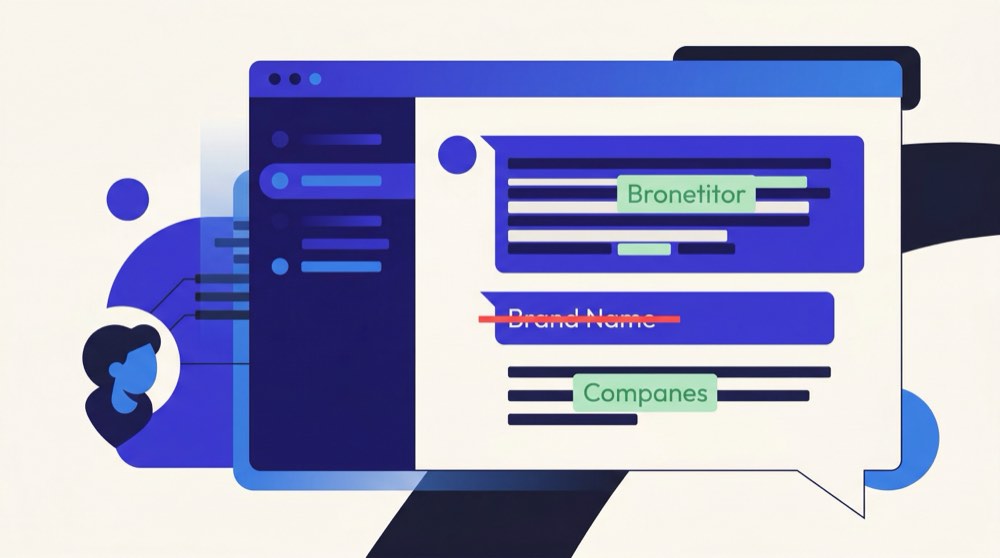
Why ChatGPT Recommends Your Competitors Instead of You
When users ask ChatGPT for recommendations in your category and your competitor appears instead of you, there are specific, traceable reasons. This guide diagnoses the four most common causes and provides a focused action plan to shift the recommendation.

The AI Visibility Gap: Most Businesses Have No AI Search Strategy
The vast majority of businesses have no strategy for appearing in AI search results, even as AI referral traffic becomes the fastest-growing discovery channel. This analysis examines the gap, who is exploiting it, and what happens to businesses that wait.
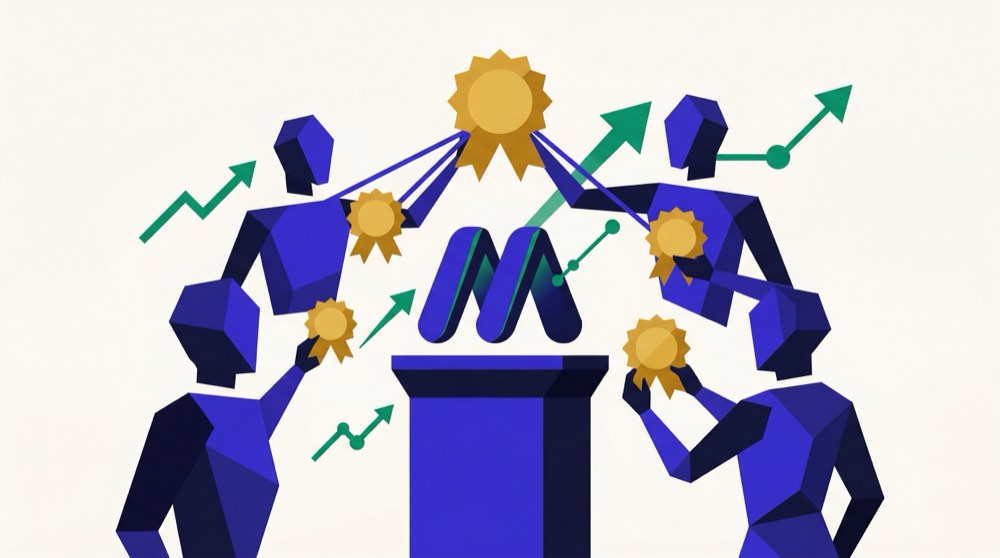
10 Best Ways to Get Your Brand Recommended by AI Models
A ranked list of the 10 most effective tactics to get ChatGPT, Perplexity, and Gemini to actively recommend your brand. Each tactic includes implementation steps, expected timeline, and impact level based on campaign data.
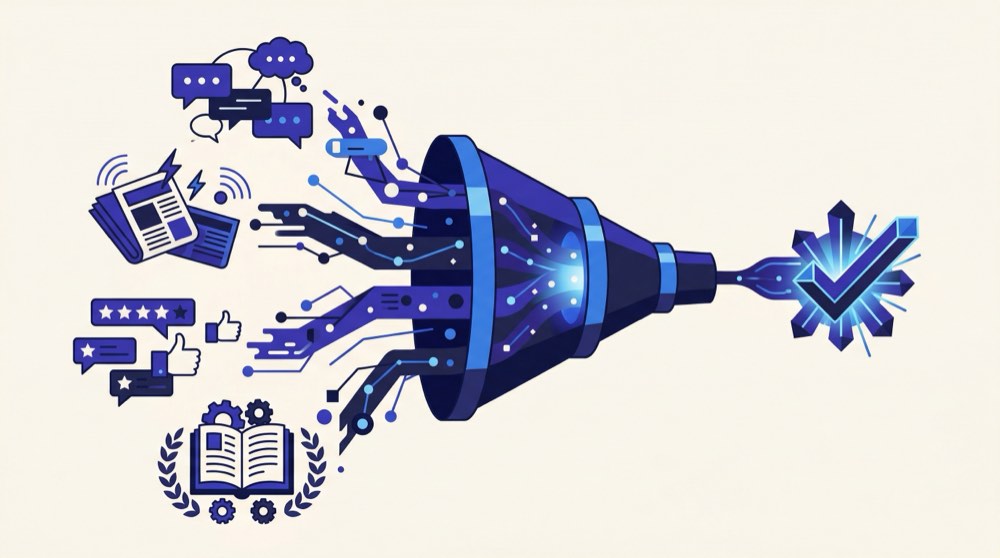
What Is the Consensus Layer in AI Search?
The consensus layer is the mechanism AI models use to decide which brands to recommend by triangulating mentions across multiple independent sources. This glossary entry explains how it works and why it matters for your visibility strategy.
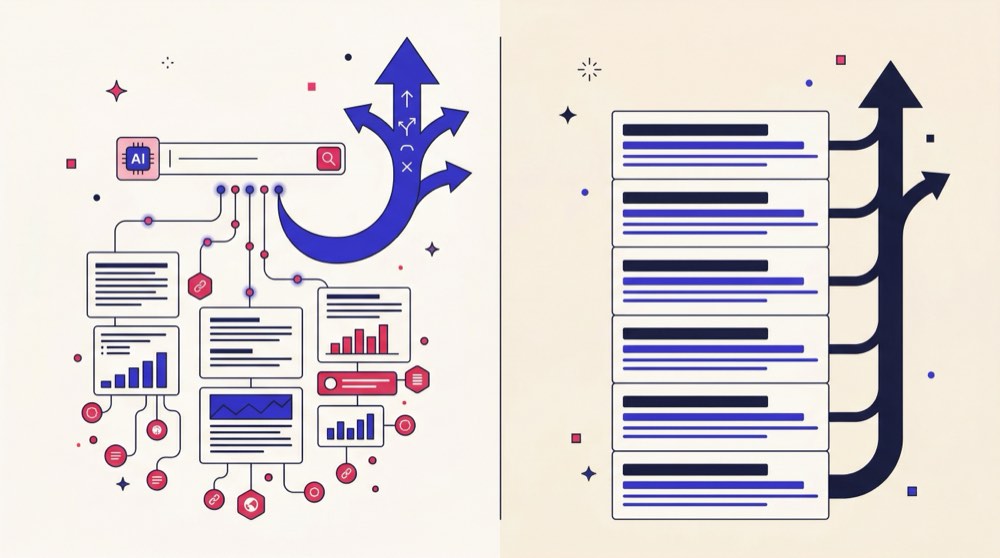
Perplexity vs Google: Which Drives Better Business Traffic?
A data-backed comparison of Perplexity AI and Google as sources of business traffic. Covers citation behavior, conversion rates, user intent differences, and how to optimize for both simultaneously.
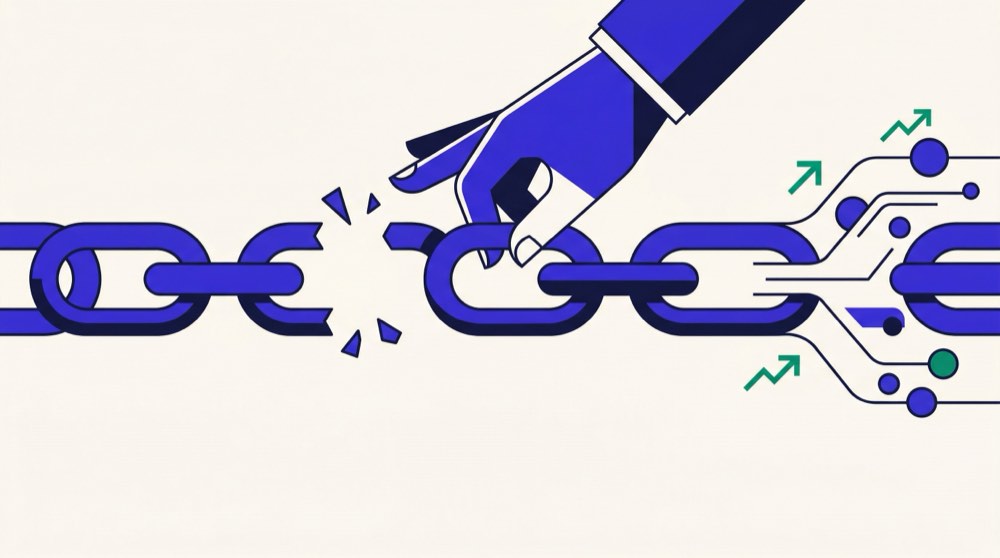
Why Your Brand Doesn\'t Appear in AI Search Results (and How to Fix It)
If ChatGPT, Perplexity, and Gemini skip your brand when users ask about your category, there are specific, diagnosable reasons. This guide identifies the six most common causes and provides fix-by-fix action steps.

25 AI SEO Statistics Every Marketer Needs to Know in 2026
The definitive collection of AI SEO statistics for 2026. Covers AI search adoption rates, citation behavior, traffic conversion, platform preferences, and the metrics that define the new search landscape.

What Is an AI Visibility Score? How to Score Your Brand
An AI visibility score measures how often and how prominently your brand appears in AI-generated answers. This guide explains how scores are calculated, what benchmarks look like by industry, and how to improve a low score.

How to Monitor What AI Models Say About Your Brand
A step-by-step guide to tracking your brand\'s presence across ChatGPT, Perplexity, Gemini, and Claude. Covers free manual methods, paid tools, prompt design, and building a monitoring cadence that catches changes before they cost you customers.

The Outrigger Visibility Index: We Tested 1,004 Businesses Across 5 AI Models. 65.9% Are Completely Invisible.
Original research: 95,392 data points across 1,004 businesses, 10 industries, and 5 AI models. Two-thirds of businesses receive zero mentions. Domain Authority and Google Reviews are the twin pillars. llms.txt is overhyped. Full methodology, data tables, anonymized dataset, and the 90-day action plan.
Your Brand Is Invisible to AI — Here’s How to Check in 60 Seconds
37% of consumers now start searches with AI instead of Google. Most brands score 0% visibility. Here’s a 60-second test to check yours.
AI SEO vs Traditional SEO: What Changed and What Didn’t in 2026
SEO isn’t dead — but the game now has two courts. Traditional SEO ranks you on Google. GEO gets you recommended by AI. Here’s what shifted and what stayed the same.
What Is Generative Engine Optimization (GEO)? The Complete Guide for 2026
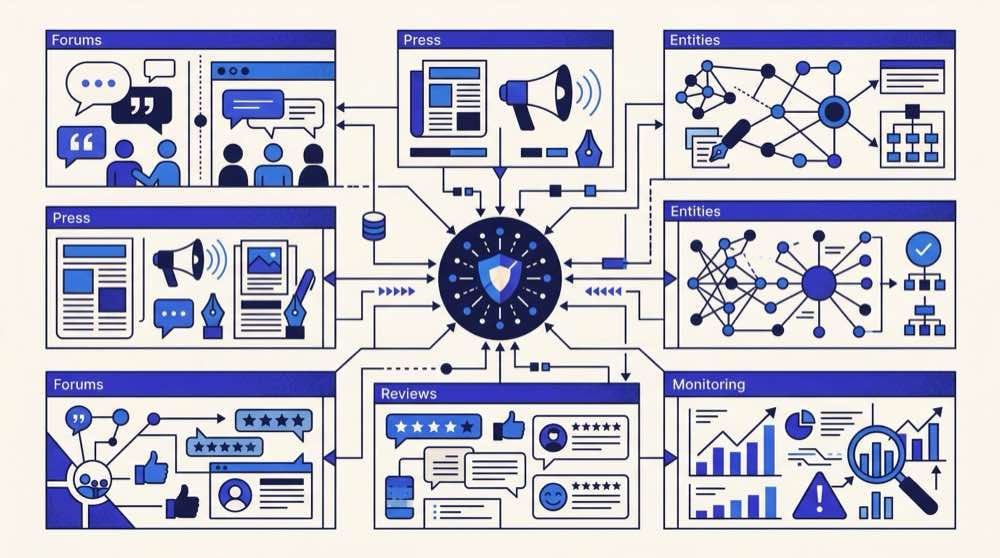
GEO is the practice of optimizing your brand to be recommended by AI models. This comprehensive guide covers the 6-pillar framework, strategy, execution, and measurement.
Share of Model: The AI Marketing Metric Replacing Share of Voice
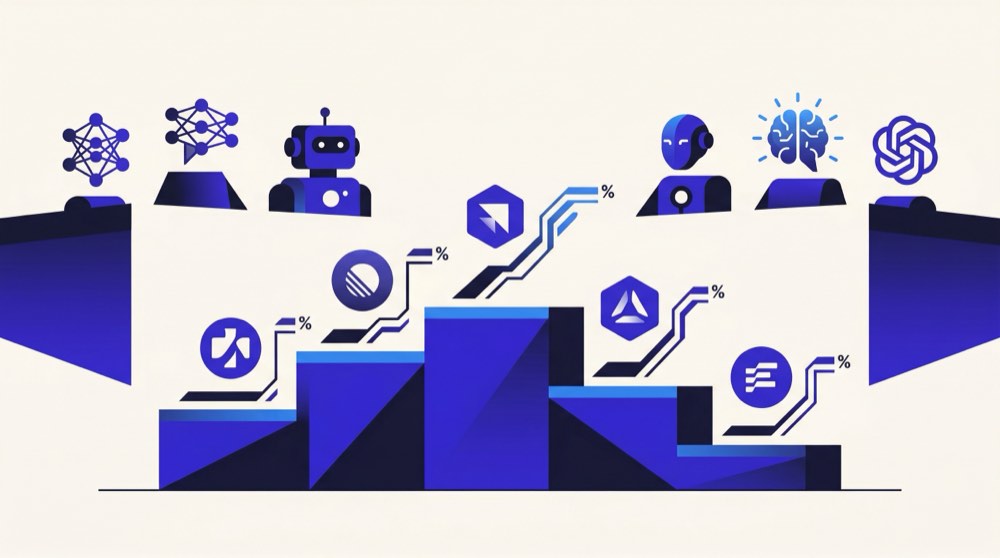
Share of model measures what percentage of relevant AI prompts result in your brand being mentioned. Here’s how to measure, benchmark, and improve it.
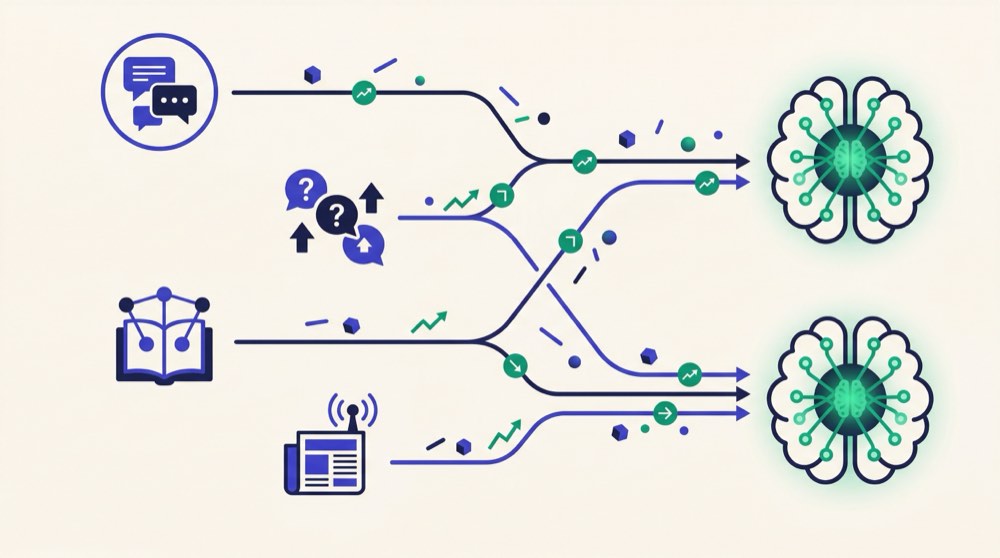
The AI Citation Index: Where Do ChatGPT, Perplexity, and Gemini Get Their Data?
Perplexity averages 21.87 citations per answer vs ChatGPT’s 7.92. Reddit accounts for 46.7% of Perplexity’s top citations. Here’s the complete citation source breakdown.

How AI Models Decide Which Brands to Recommend (And Why Yours Might Not Make the List)
AI models don’t rank pages — they build consensus from dozens of independent sources. Learn exactly how this consensus layer works, which sources carry the most weight, and why 94% of AI brand mentions never become actual recommendations.
Reddit Is the Most Important Platform for AI Visibility (And Most Brands Ignore It)
Reddit appears in 68% of AI answers and 95% of product-review queries on Google. It’s the number-one source Perplexity cites. Yet most brands have zero presence in the Reddit threads AI models reference about their industry.
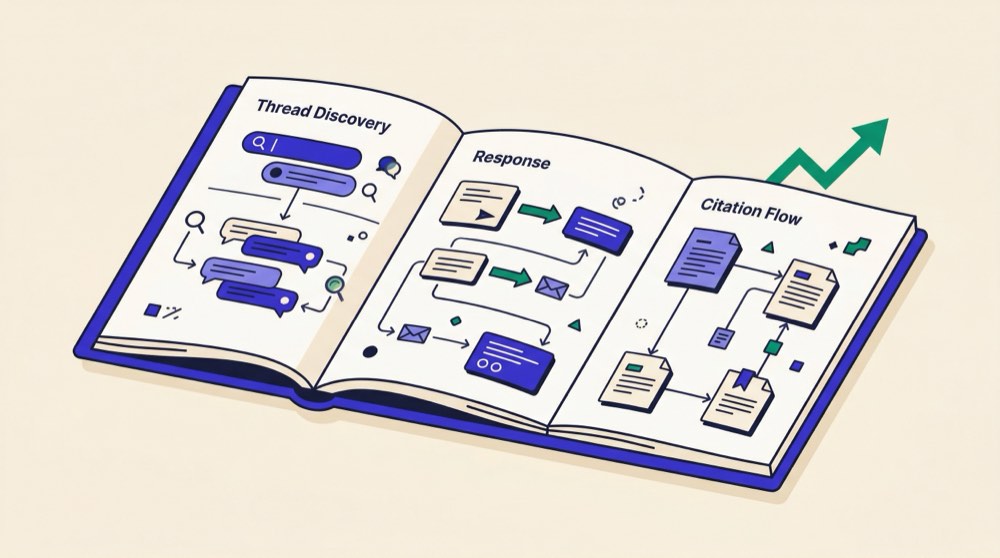
Citation Seeding: The Reddit & Quora Strategy That Feeds AI Recommendations
Citation seeding is the practice of placing authentic, valuable responses in forum threads that AI models already reference. This is the complete tactical playbook for finding threads, writing responses, posting strategically, and measuring impact.
Platform-by-Platform GEO: How to Optimize for ChatGPT vs Perplexity vs Gemini vs Claude
Only 11% of cited domains appear across multiple AI platforms. Each engine has radically different citation behaviors. A single GEO strategy won’t work. Here’s the platform-specific playbook.

The AI Visibility Audit: How to Score Your Brand Across 6 Pillars
The 6-pillar AI visibility audit measures AI Presence, Entities, Reviews, On-Page, Citations, and Press to produce a composite score from 0-100. Learn how each pillar is scored, what the numbers mean, and how to use the audit to build your action plan.

Schema Markup for AI Search: What Actually Gets You Cited in 2026
Content with comprehensive schema markup has a 2.5x higher chance of appearing in AI-generated answers. Here is which schema types matter most and how to implement them for maximum AI visibility.

Digital PR in the AI Era: Why Brand Mentions Now Beat Backlinks 3:1
90% of citations driving LLM visibility come from earned media. Digital PR has gone from brand awareness tactic to critical AI visibility infrastructure.

Your Robots.txt Is Blocking ChatGPT: The AI Crawler Decision Framework
79% of top news sites block AI training bots. But blocking the wrong crawlers means AI literally cannot cite your content. Here is the framework for deciding what to allow.
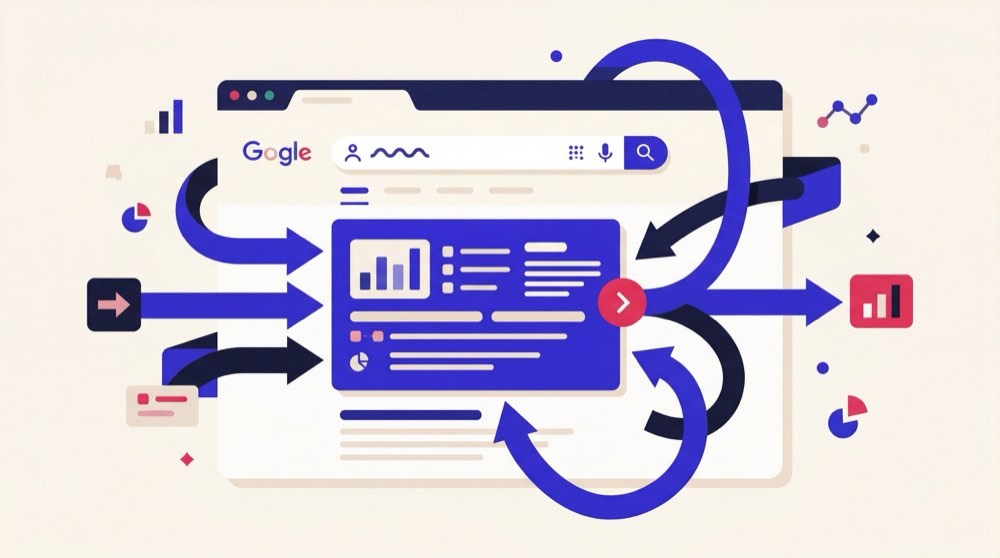
Zero-Click Search Is Here: What the AI Overviews Data Actually Shows
AI Overviews appear in 48% of Google queries. When they do, organic CTR drops 61%. The question is not how to rank #1 anymore — it is how to become the brand AI cites in the answer.
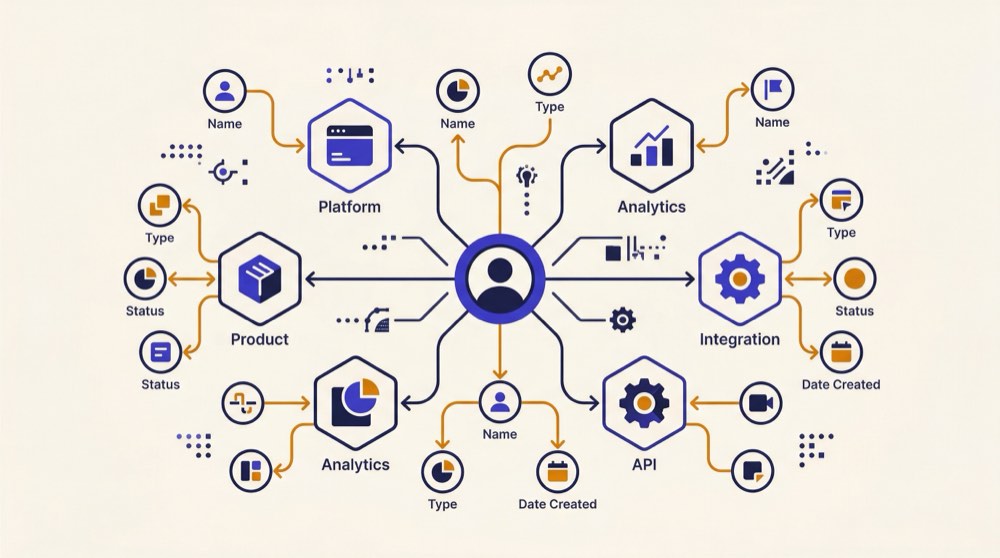
Entity SEO for AI: How to Build a Knowledge Graph That AI Models Trust
AI models evaluate brands as entities, not pages. If your brand is a recognized entity in knowledge graphs, you are far more likely to appear in AI recommendations.
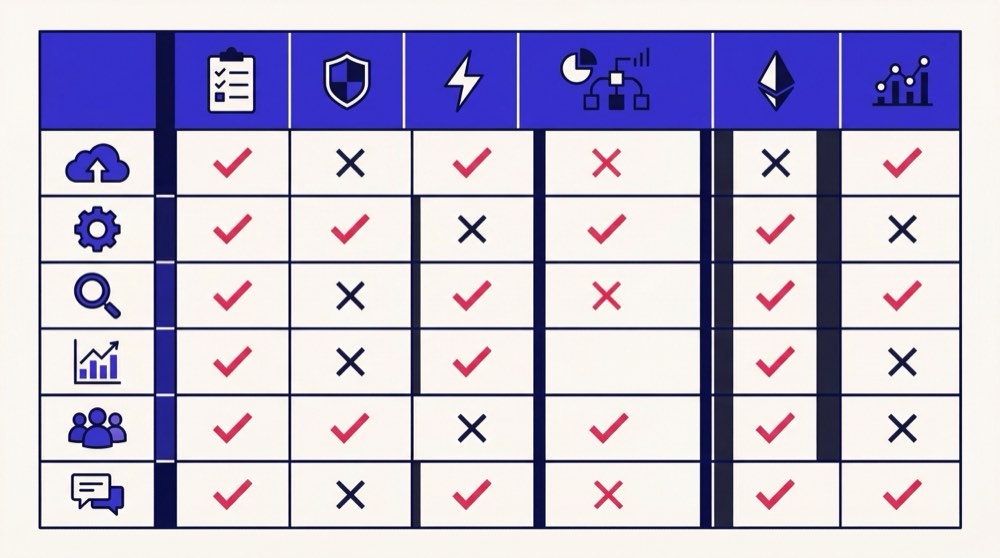
AI Visibility Tools Compared: How to Choose the Right Platform in 2026
A comprehensive comparison of every major AI visibility and GEO tool on the market — from monitoring-only platforms to full-stack action systems. Includes feature tables, pricing, and a decision framework.

GEO for Agencies: How to Add AI Visibility to Your Service Offering
A playbook for agencies ready to add AI visibility to their service menu. Covers positioning, pricing, packaging, the audit-as-sales-tool approach, monthly workflows, and scaling to 100+ clients.
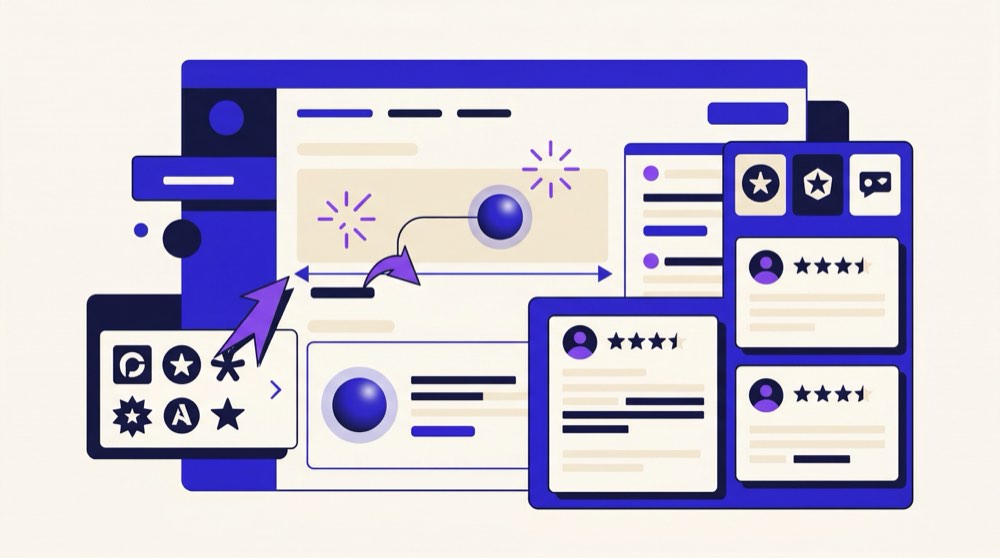
GEO for SaaS Companies: Getting Your Product Recommended by AI
A SaaS-specific playbook for Generative Engine Optimization. Covers why G2/Capterra reviews dominate AI software recommendations, how to seed citations in the right subreddits, and the schema markup that makes your product findable.

The ROI of AI Visibility: How to Calculate and Prove Value
A framework for calculating and reporting the return on investment from GEO campaigns. Covers the 4-layer measurement model, dollar-value formulas, client reporting templates, and business case construction.
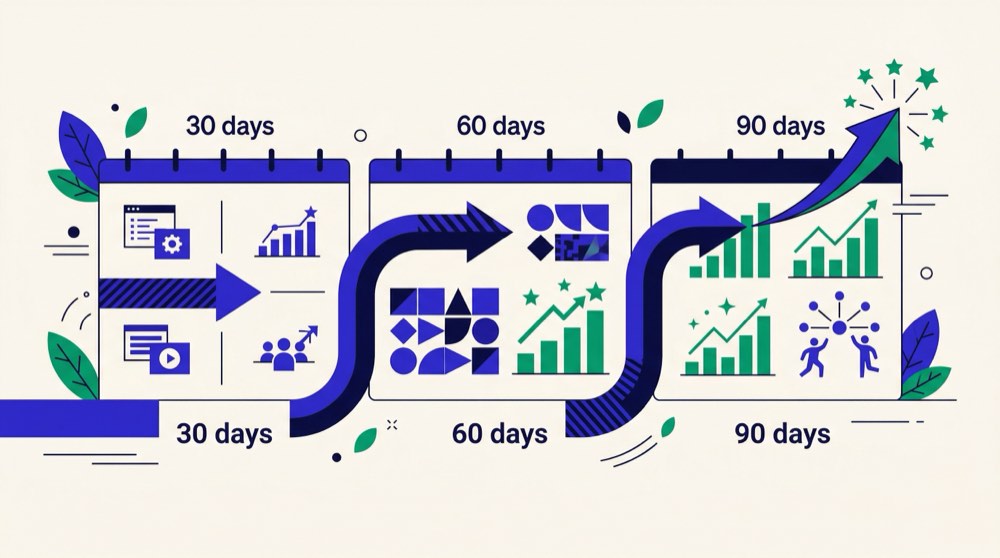
From Invisible to Recommended: A 90-Day AI Visibility Campaign Playbook
The definitive week-by-week execution plan for building AI visibility from scratch. Covers the full 90-day arc: audit and entity cleanup (weeks 1-2), citation seeding sprint (weeks 3-6), PR and reviews (weeks 7-10), re-audit and optimize (weeks 11-12). With expected trajectories, budgets, and team requirements.
Get AI visibility insights.
Check your verified signals across ChatGPT, Perplexity, Gemini and Claude.