Perplexity Citations: How Perplexity Chooses Its Sources
Perplexity is built around citations, attaching numbered sources to nearly every sentence. This guide explains exactly how Perplexity selects and ranks those numbered sources, and the concrete steps to become one.

Perplexity chooses its numbered sources by running live web searches for each query, retrieving the top-ranking and most relevant pages, reading them, and citing the ones whose passages most directly support each claim in its answer. It is citation-first by design, so nearly every sentence is grounded in a source. To become a cited source, your page must rank in web search for the query, contain specific and quotable passages that answer the exact question, be fresh, and come from a domain Perplexity treats as credible. Statistics, direct answers, and structured content earn Perplexity citations most reliably.
Why Perplexity Is Built Around Citations
Perplexity is different from other AI models in one fundamental way: it is a citation-first product. Where ChatGPT and Gemini sometimes answer from internal knowledge without sources, Perplexity grounds nearly every sentence in a numbered, clickable citation. Its entire value proposition is that you can verify every claim. That design choice makes Perplexity the most transparent AI surface for GEO — and the most learnable, because you can see exactly which sources it chose and in what order.
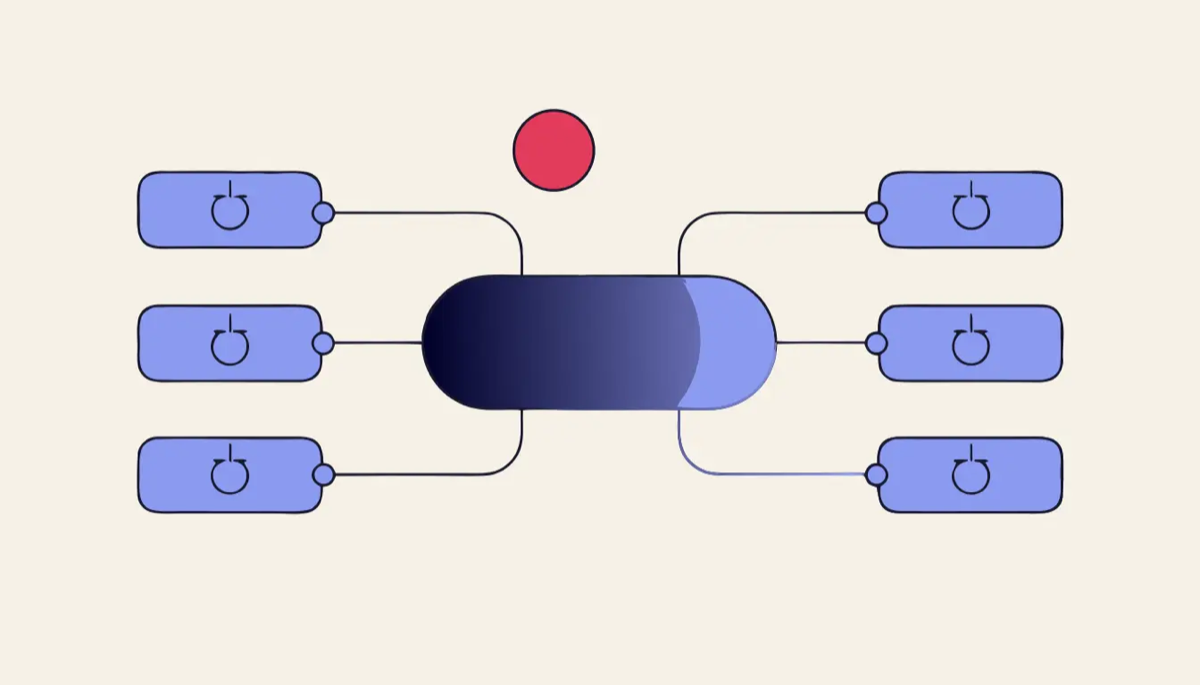
Mechanically, Perplexity behaves like an answer engine wrapped around live web search. For each query it runs real-time searches, retrieves the most relevant pages, reads them, and synthesizes an answer where each claim points back to a specific source. The numbered citations are not decoration; they are the load-bearing structure of the answer.
For Joel House, founder of Outrigger and author of AI for Revenue, "Perplexity is the best training ground in GEO because it shows its work. You ask a question, and it hands you the exact ranked list of sources it trusted for that answer. If you are not in that list, you can see who is, read what they did better, and close the gap. No other engine is this honest about who it cites, which makes Perplexity the fastest place to learn what citable content actually looks like."
Because Perplexity sends real referral traffic when users click those numbered sources, appearing in them has a direct payoff. The comparison of Perplexity versus Google business traffic covers why those clicks tend to convert well: users arrive pre-qualified, having chosen your source from a trusted answer.
How Perplexity Selects and Ranks Its Numbered Sources
Based on how Perplexity describes its product and what its visible source lists show, selection runs through a clear sequence, and each numbered citation reflects a ranking decision:
- Query interpretation and search. Perplexity interprets your question and issues live web searches, often multiple related searches for a complex query.
- Candidate retrieval. It pulls the top-ranking and most relevant pages from web search as candidate sources.
- Reading and relevance scoring. It reads the candidates and assesses which passages most directly and specifically answer the query. Pages that state the answer plainly outrank pages that merely mention the topic.
- Grounded synthesis. It drafts the answer, attaching a numbered citation to each claim from the source that best supports it.
- Source ordering. The numbered list reflects how central each source was to the answer. The most-relied-upon sources appear and are referenced most.
The factors that decide whether you make the list — and how high — are consistent with retrieval-based source selection across engines: - Search rankings. Perplexity retrieves what web search surfaces. If you do not rank for the query, you rarely become a candidate. - Passage specificity. A page that answers the exact question in a compact, self-contained span beats a broad page. - Data and evidence. Perplexity strongly favors sources with concrete numbers, which is why statistics pages get cited so heavily. - Freshness. For current-information queries, recently updated pages are preferred. - Domain credibility. Perplexity leans toward sources it treats as authoritative for the topic.
Content with structured sections and expert attribution is cited roughly 65% more often by AI models, per a 2026 study from Outrigger — and Perplexity, being citation-first, rewards that structure especially clearly.
There is a subtle ranking dynamic inside the numbered list itself. Being source number seven is not the same as being source number one. The top-ranked sources are the ones the answer leans on most heavily, get referenced across multiple sentences, and are the ones users are most likely to click. Perplexity tends to elevate a source to the top position when it can ground a large share of the answer in that single page — which happens when your page is comprehensive and specific enough to cover several of the sub-claims the answer makes. So the goal is not merely to appear in the list; it is to be the page so complete and so precisely on-topic that Perplexity would rather cite you five times than assemble the answer from five thinner sources.
8 Steps to Become a Perplexity Source
Perplexity's transparency makes optimization concrete: you can see the target and aim at it.
- Rank in web search for your priority queries. This is the entry ticket — Perplexity retrieves from live search results, so on-page SEO and topical authority still matter.
- Answer the exact question, immediately. Lead each section with a direct, self-contained answer. Perplexity quotes the passage that most directly supports a claim, so put that passage first.
- Publish original statistics and data. Perplexity loves numbers. A page with a proprietary stat, a benchmark, or a clear data point becomes a magnet for citations because it is the cleanest source for a factual claim.
- Use structured formats. Tables, numbered lists, and question-shaped headings give Perplexity clean, quotable units. Comparison tables are especially citable for "best" and "vs" queries.
- Keep content fresh. Update and re-date time-sensitive pages. Freshness is a real ranking factor in Perplexity's source selection.
- Build domain credibility. Expert attribution, author credentials, and a track record in your topic raise how much Perplexity trusts your source. Named experts and clear authorship help.
- Earn corroboration. When authoritative sources reference the same facts, your page becomes a safer citation. Mentions, reviews, and references reinforce credibility.
- Study the current citations. For each priority query, read who Perplexity cites now, identify why, and produce something clearly more specific, more current, or better-evidenced. Perplexity shows you the competitive set for free — use it.
One caution as you work the list: optimize for being quotable, not for gaming the format. Perplexity re-runs its retrieval constantly, and a page that earns a citation on the strength of a thin or misleading claim tends to lose it as soon as a more credible source publishes something better. The durable positions belong to pages that would deserve the citation even if no engine existed — a real benchmark, a genuinely direct answer, a table someone would bookmark. Build those and the citations follow, on Perplexity first and on every retrieval-based engine after it.
Outrigger tracks whether Perplexity cites your brand for your priority questions and where you rank in its source lists, so you can target the exact gaps.
What Perplexity Cites vs What It Skips
Perplexity's preferences are unusually visible, and they cluster around specificity and structure. Here is the contrast.
| Attribute | Skipped by Perplexity | Cited by Perplexity |
|---|---|---|
| Search visibility | Not ranking | Ranking for the query |
| Answer style | Vague, hedged | Direct, specific claim |
| Data | No numbers | Concrete statistics and benchmarks |
| Format | Wall of prose | Tables, lists, question headings |
| Freshness | Stale, undated | Recently updated, dated |
| Authorship | Anonymous | Named expert, clear credentials |
| Domain trust | Unknown, thin | Credible, corroborated |
A concrete example: suppose two pages target "average customer acquisition cost for SaaS." One page discusses CAC generally in flowing prose with no figures. The other opens with a specific benchmark range, presents a table of CAC by SaaS segment, cites its methodology, and shows a recent update date with a named author. Perplexity will cite the second almost every time, because it is the cleanest, most verifiable source for the exact factual claim — and it often becomes citation number one, because the whole answer can be grounded in it.
Data is the ultimate citation bait. Publish the number people are looking for, stated plainly, with a credible source and a recent date, and you become the passage the engine quotes. Everyone else is competing on adjectives; you win by publishing the fact. It is the single most reliable way to earn AI citations, and Perplexity makes the payoff visible.
Measuring Your Perplexity Citation Share
Perplexity is the easiest major engine to measure, because it hands you the source list. That transparency lets you track citation share directly rather than inferring it.
Track monthly: - Whether Perplexity cites your brand for a fixed set of buyer questions - Your position in the numbered source list when it does - Which pages get cited, and which data points drive the citation - Which questions cite competitors instead of you - Your search rankings for the underlying queries
Run the same question set every month, screenshot or log the source lists, and treat any question where a competitor is cited and you are not as a direct assignment: produce a more specific, more current, better-evidenced answer. Because Perplexity shows the full competitive set, the roadmap writes itself.
Pay attention to position within the list as well as presence. Moving from source seven to source two usually means your page went from supporting a single sentence to grounding a meaningful share of the answer — a sign that adding depth, a table, or a clearly stated benchmark made the page more load-bearing. Log those position shifts alongside the content changes that preceded them and you build a private record of what actually moves rankings in your category.
The traffic payoff is real and unusually high-quality. Users who click a numbered Perplexity source have actively chosen your page from a trusted answer, so they arrive with strong intent — part of why AI referral traffic converts roughly 4.4x better than traditional organic, per a 2026 study from Outrigger. On Perplexity, becoming a cited source is not an abstract branding win; it sends qualified visitors to your site.
A final habit separates brands that occasionally get cited from brands that own their category on Perplexity: they treat every new statistic they can legitimately publish as an asset. An original benchmark, a survey of your customers, a breakdown of your own anonymized data — each becomes a page that Perplexity reaches for whenever someone asks about that number, and each earns citations for months or years with almost no maintenance. If you have proprietary data and are not publishing it in clean, quotable form, you are leaving the single most reliable Perplexity citation source on the table.
The corroboration and structure you build for Perplexity also lift your standing on ChatGPT and Gemini, so the work compounds across engines. A free AI visibility audit shows whether Perplexity currently cites your brand and where the fastest gains are. For the full cross-engine sequence, see the platform-by-platform GEO guide.
Frequently Asked Questions
How does Perplexity choose its sources?
Perplexity runs live web searches for each query, retrieves the top-ranking and most relevant pages, reads them, and cites the ones whose passages most directly support each claim in its answer. The numbered order reflects how central each source was. Search rankings, passage specificity, concrete data, freshness, and domain credibility all influence selection.
Why does Perplexity cite statistics pages so often?
Perplexity is citation-first and grounds each claim in a source, so pages with concrete numbers are ideal because they are the cleanest, most verifiable support for a factual claim. A page with an original statistic or benchmark, stated plainly with a credible source and recent date, frequently becomes the top-numbered citation for questions about that data.
Do I need to rank in Google to be cited by Perplexity?
You need to rank in web search generally, since Perplexity retrieves candidate sources from live search results. Strong search visibility for the query is the entry ticket. Beyond ranking, becoming a cited source depends on having a specific, quotable passage that answers the exact question, plus freshness and domain credibility.
How can I see which sources Perplexity is citing?
Perplexity displays numbered citations for nearly every sentence, so you can read the exact ranked list of sources it used for any answer. This transparency makes it the easiest engine to optimize for: query your priority questions, note who is cited and why, and produce more specific, current, and better-evidenced content to close the gap.
AI audits are currently invite-only
Outrigger is in an invite-only pilot. Existing invited users can sign in for audit access; public access is not open.
Analyze your brandRelated Articles
Perplexity vs Google: Which Drives Better Business Traffic?

How AI Models Decide Which Brands to Recommend (And Why Yours Might Not Make the List)
ChatGPT Citations: How They Work and How to Earn One

Platform-by-Platform GEO: How to Optimize for ChatGPT vs Perplexity vs Gemini vs Claude